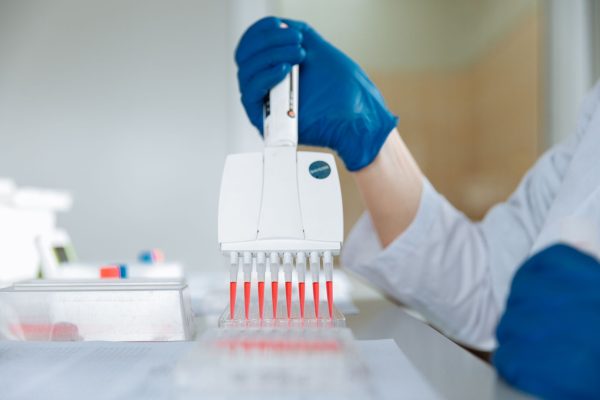
GeneBench-Pro: OpenAI’s New Genomics Benchmark Explained
OpenAI’s GeneBench-Pro tests AI on real-world genomics and biology tasks. Here’s what it measures, why it matters, and what it means for scientific AI.





OpenAI’s GeneBench-Pro tests AI on real-world genomics and biology tasks. Here’s what it measures, why it matters, and what it means for scientific AI.
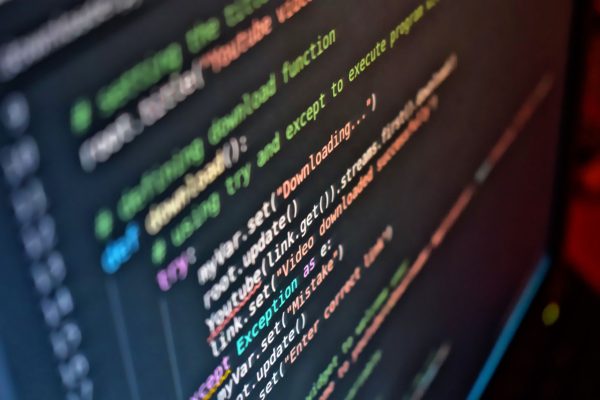
OpenAI engineers used large-scale core dump analysis to hunt down rare infrastructure crashes — and found both a hardware fault and an 18-year-old software bug.

OpenAI’s new Signals data reveals how ChatGPT adoption is growing globally — more users, more languages, deeper engagement. Here’s what the data actually means.
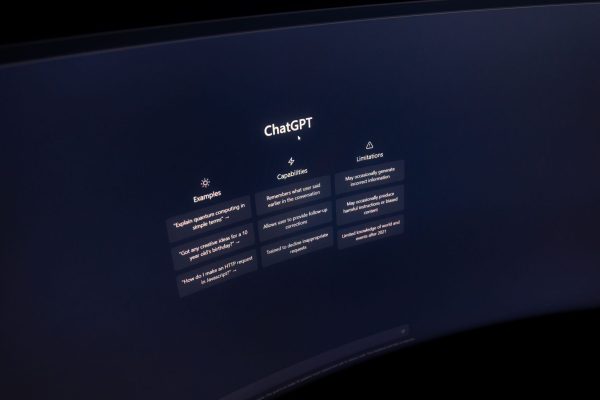
HP Inc. has signed a Frontier-level strategic partnership with OpenAI, deploying AI across customer support, software development, and enterprise ops.
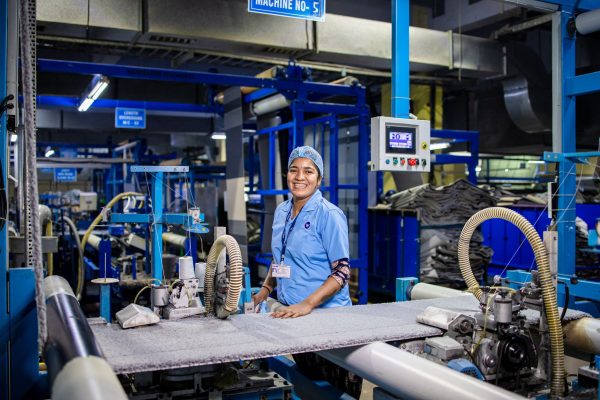
OpenAI’s new EU workforce report identifies which jobs face automation, which will grow, and how policymakers should respond. Here’s what the data actually says.
OpenAI previews GPT-5.6 Sol, its most advanced model with stronger coding, science, and cybersecurity capabilities paired with a new safety stack.
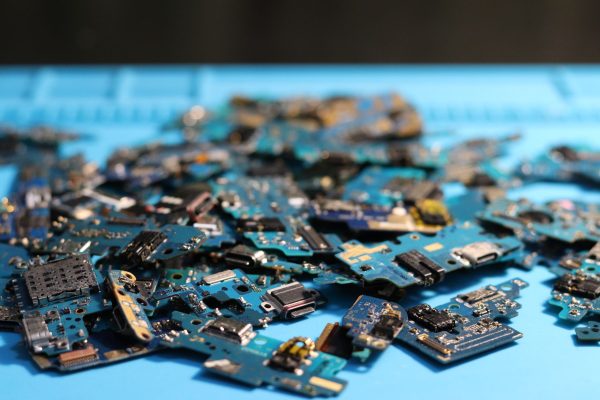
OpenAI and Broadcom have unveiled Jalapeño, a custom chip built specifically for LLM inference. Here’s what it does, why it matters, and who it threatens.

OpenAI’s new research paper reveals how AI agents are handling longer, more complex tasks — and what that means for productivity, jobs, and the future of work.

Samsung Electronics is rolling out ChatGPT Enterprise and Codex to employees worldwide in one of OpenAI’s largest enterprise AI deployments ever.

Omio is using OpenAI to build conversational travel search that books trains, buses, and flights through chat. Here’s what it means for the travel industry.

OpenAI is backing the Appia Foundation to build shared AI safety standards, evaluation frameworks, and global cooperation norms for advanced AI systems.
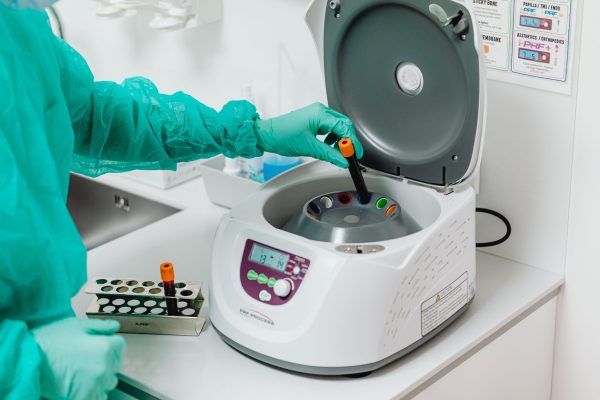
GPT-5 Pro helped immunologist Derya Unutmaz solve a 3-year-old mystery about T cell behavior — with huge implications for cancer and autoimmune disease research.