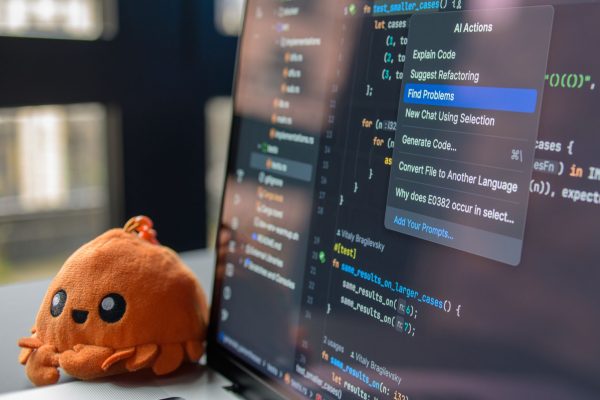
Codex-Maxxing: How to Run Long, Complex AI Coding Tasks
Jason Liu’s codex-maxxing approach shows how to preserve context, manage complex projects, and keep OpenAI Codex working across long coding sessions.





Jason Liu’s codex-maxxing approach shows how to preserve context, manage complex projects, and keep OpenAI Codex working across long coding sessions.

OpenAI’s Daybreak launch brings Codex Security and GPT-5.5-Cyber to enterprise teams. Here’s what these AI-powered vulnerability tools actually do and who needs them.

OpenAI’s Patch the Planet initiative uses AI to help open-source maintainers find and fix vulnerabilities. Here’s what it does and why it matters.
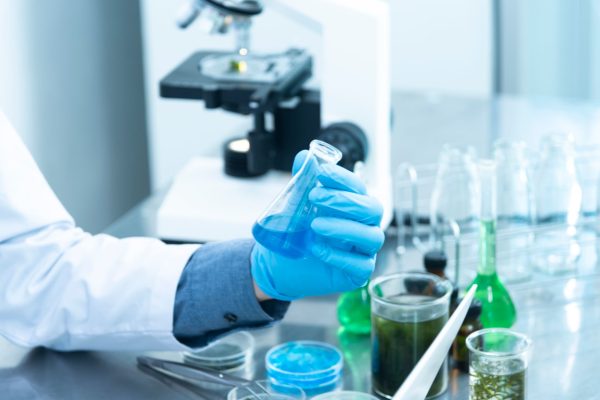
OpenAI launches LifeSciBench, an expert-authored benchmark testing AI on real-world life science research tasks. Here’s what it measures and why it matters.
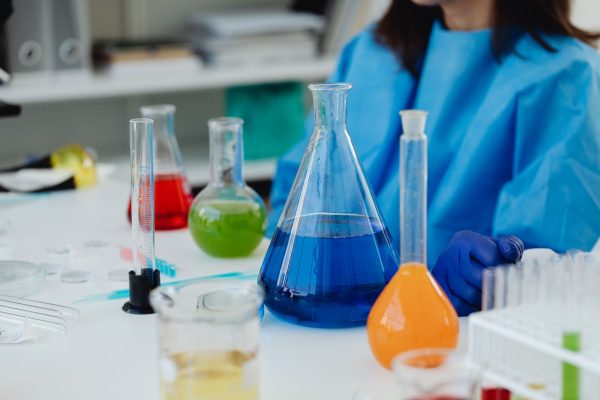
OpenAI and Molecule.one built a near-autonomous AI chemist using GPT-5 that improved a key medicinal chemistry reaction. Here’s what that actually means.

OpenAI’s reasoning model helped physicians crack 18 previously unsolved rare genetic disease cases in children. Here’s what happened and why it matters.
OpenAI’s GPT-4.5 brings stronger health reasoning to ChatGPT, with physician-informed evaluations and clearer medical communication. Here’s what changed.

OpenAI’s new usage analytics and spend controls for ChatGPT Enterprise give IT teams real budget visibility. Here’s what changed and why it matters now.
OpenAI’s Deployment Simulation uses real conversation data to predict model behavior before release. Here’s what it does, why it matters, and who benefits.
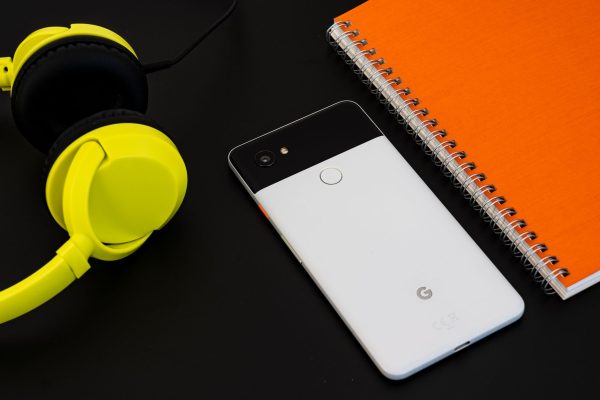
Google’s June 2026 Pixel Drop brings Gemini Omni text-to-video, smarter screen recording, and multitasking upgrades. Here’s what actually changed.
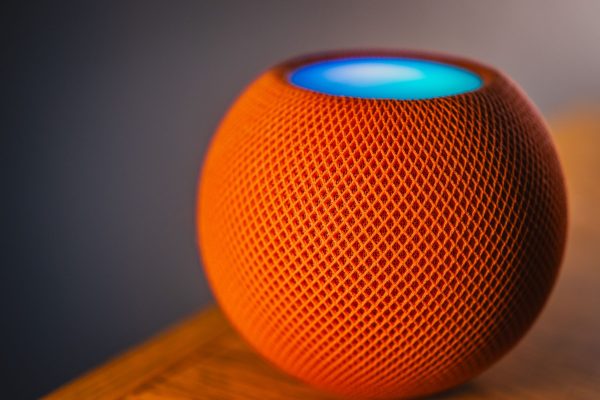
Google’s new Home Speaker is built around Gemini AI. Here’s what changed, what it can actually do, and whether it’s worth caring about in 2026.
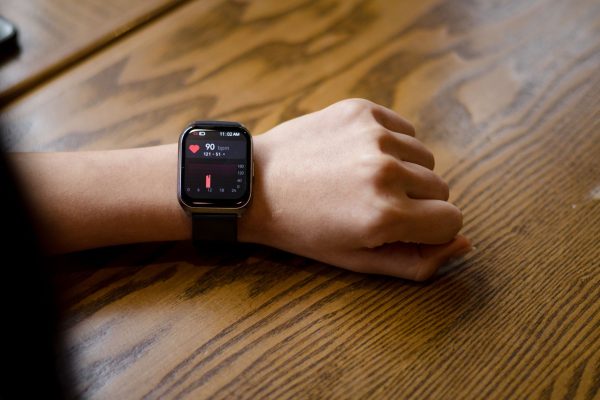
Wear OS 7 brings smarter glanceable features and Gemini Intelligence to select smartwatches. Here’s what it actually means for your wrist in 2026.