
Gemini Omni: What Google’s Own Experts Are Most Excited About
Google’s Gemini Omni team opens up about what excites them most. Here’s what the engineers and researchers actually said — and what it signals for AI’s next chapter.






Google’s Gemini Omni team opens up about what excites them most. Here’s what the engineers and researchers actually said — and what it signals for AI’s next chapter.

Google’s Gemini 3.7 Flash is here — faster, smarter, and built for coding and agentic tasks. Here’s what changed, what it means, and who wins.

OpenAI’s Daybreak cybersecurity models are now live on Amazon Bedrock. Here’s what enterprises get, how access works, and why this partnership matters.

OpenAI’s new enterprise research shows how frontier firms are using agentic AI, Codex, and ChatGPT to automate real work — not just answer questions.

Google’s Pixel Watch 5 puts Gemini AI directly on your wrist with proactive health alerts, low-latency responses, and smarter daily assistance. Here’s what matters.

Google’s Pixel 11 launches with major Gemini Intelligence upgrades and the biggest camera overhaul in years. Here’s what actually matters and who should care.

Google just expanded Gemini’s connected apps list. Here’s what’s new, what it means for your workflow, and how it stacks up against ChatGPT’s integrations.
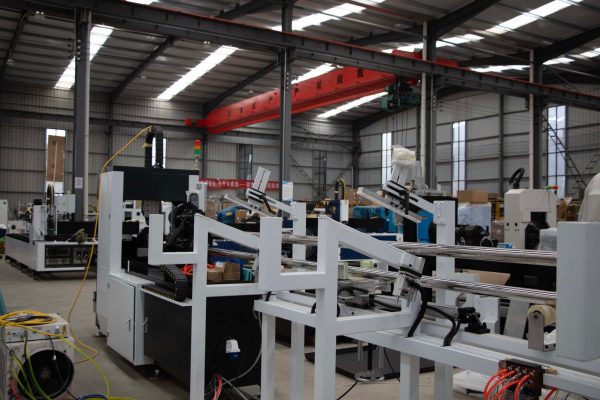
Zapier’s marketing team deployed ChatGPT Work to cut lead drop-offs, build campaign assets faster, and automate reporting. Here’s exactly how they did it.

Google’s Gemini app just crossed 1 billion monthly users, making it the fastest-growing product in Google history. Here’s what the data actually tells us.

OpenAI launches GPT-5.6-Cyber through Daybreak Red, a specialized model for authorized vulnerability research and exploit validation. Here’s what it means.

OpenAI’s Daybreak program lets approved partners access frontier cyber models for authorized security work. Here’s what it means and why it matters now.
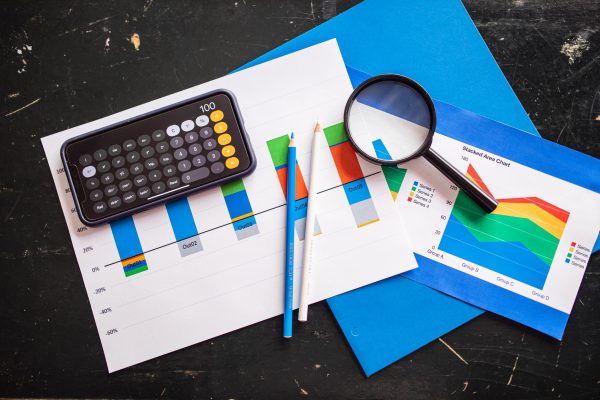
Model ML is using GPT-5.6 Sol to handle finance work end-to-end — from research to editable PowerPoint decks and Excel workbooks. Here’s what that looks like.