
How to Build a Side Hustle With Gemini in 2026
Google says Gemini can help launch your side business. We break down what it actually does well, where it falls short, and who this is really for.






Google says Gemini can help launch your side business. We break down what it actually does well, where it falls short, and who this is really for.

Cars24 uses OpenAI-powered voice and chat agents to handle over 1 million conversation minutes monthly and recover 12% of lost leads. Here’s how they built it.

OpenAI CFO Sarah Friar introduces a practical AI scorecard with four metrics to measure ROI — useful work, cost per task, dependability, and return on compute.

OpenAI is rolling out age-appropriate protections, parental controls, and expert-backed safeguards for teens on ChatGPT. Here’s what’s actually changing.

OpenAI’s GPT-Red uses self-play to automate red teaming for AI safety. Here’s what it does, why it matters, and what it means for the future of alignment.

OpenAI wants state laws to build the foundation for federal AI safety rules. Here’s what their ‘reverse federalism’ approach actually means and why it matters.

OpenAI’s new framework for managing AI investments focuses on useful work per dollar — here’s what enterprises need to know about scaling agentic AI.
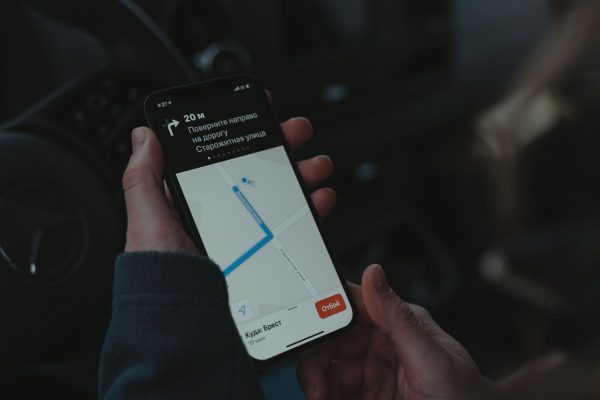
Waze’s latest update brings Gemini AI integration, a dedicated motorcycle mode, and quieter navigation. Here’s what’s new and why it matters for daily drivers.

Google’s Gemini is gaining serious ground in Southeast Asia by speaking local languages fluently. Here’s what that actually means and why it matters.

Google is rolling out Gemini in Chrome to UK users starting July 14, 2026. Here’s what features are included, who gets them, and what it means for the browser AI race.

Anthropic’s new ‘hard questions’ initiative surveyed 133,000 people across 159 countries. Here’s what they found — and what they’re promising to do about it.

OpenAI’s GPT-Live brings a new generation of voice models to ChatGPT. Here’s what it does, how it works, and why it matters for voice AI in 2026.