
OpenAI Backs California SB 1119: What It Means for Teen AI Safety
OpenAI is supporting California’s SB 1119 bill to bring age-appropriate AI safeguards to teens. Here’s what the bill does, why it matters, and who it affects.





OpenAI is supporting California’s SB 1119 bill to bring age-appropriate AI safeguards to teens. Here’s what the bill does, why it matters, and who it affects.
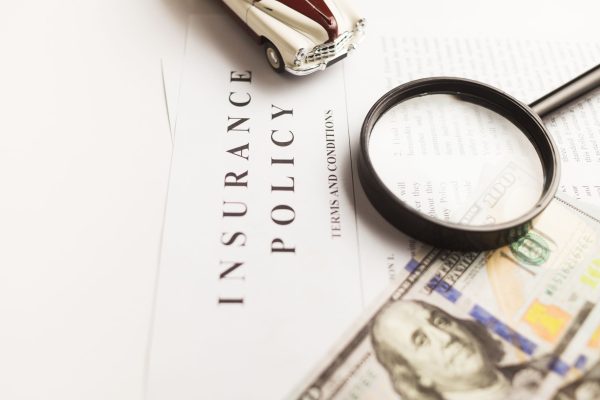
OpenAI is bankrolling 14 independent AI policy research projects aimed at expanding economic opportunity and building societal resilience. Here’s what’s at stake.

Anthropic is watermarking Claude’s outputs to comply with the EU AI Act. Here’s exactly how it works, what it can detect, and what it can’t.
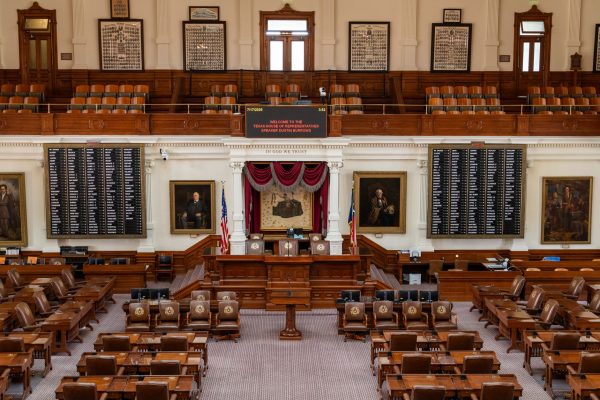
OpenAI sent Governor Greg Abbott a formal letter on responsible AI infrastructure in Texas. Here’s what it signals about the company’s long-term strategy.
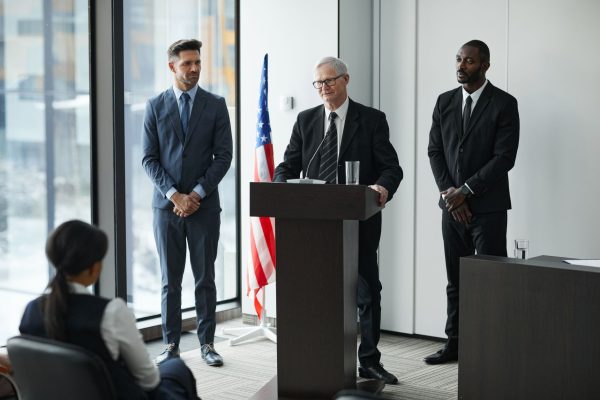
Anthropic hires Mariano-Florentino Cuéllar as its first Chief Global Affairs Officer. Here’s why this hire is a serious signal about where AI policy is heading.
OpenAI outlines its safety, transparency, and provenance practices for Europe. Here’s what the EU AI Act actually demands — and how OpenAI plans to meet it.
OpenAI wants state laws to build the foundation for federal AI safety rules. Here’s what their ‘reverse federalism’ approach actually means and why it matters.
OpenAI just published its framework for working with governments and national security agencies. Here’s what the policy actually says and why it matters now.
OpenAI has published a sweeping public policy agenda covering AI safety, youth protection, workforce shifts, and global standards. Here’s what’s really in it.
OpenAI published a detailed AI policy stance clarifying its approach to regulation, safety, and political advocacy — and who doesn’t speak for the company.
OpenAI’s Frontier Governance Framework maps its AI safety and security practices to EU AI Act and California rules. Here’s what it actually says.
OpenAI wants to reshape the economy for the AI era. Here’s what their industrial policy proposals actually say — and what they mean for workers, businesses, and governments.