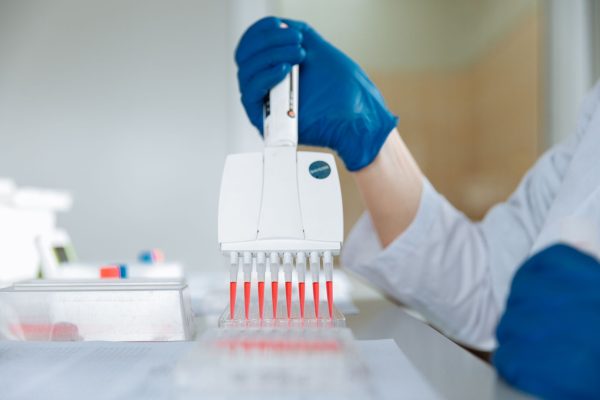
GeneBench-Pro: OpenAI’s New Genomics Benchmark Explained
OpenAI’s GeneBench-Pro tests AI on real-world genomics and biology tasks. Here’s what it measures, why it matters, and what it means for scientific AI.






OpenAI’s GeneBench-Pro tests AI on real-world genomics and biology tasks. Here’s what it measures, why it matters, and what it means for scientific AI.
GPT-5 Pro helped immunologist Derya Unutmaz solve a 3-year-old mystery about T cell behavior — with huge implications for cancer and autoimmune disease research.
OpenAI launches LifeSciBench, an expert-authored benchmark testing AI on real-world life science research tasks. Here’s what it measures and why it matters.
OpenAI and Molecule.one built a near-autonomous AI chemist using GPT-5 that improved a key medicinal chemistry reaction. Here’s what that actually means.

OpenAI’s reasoning model helped physicians crack 18 previously unsolved rare genetic disease cases in children. Here’s what happened and why it matters.

OpenAI’s Deployment Simulation uses real conversation data to predict model behavior before release. Here’s what it does, why it matters, and who benefits.

Astrophysicist Chi-kwan Chan uses OpenAI Codex to build black hole simulations faster than ever. Here’s what that means for science and AI’s role in research.
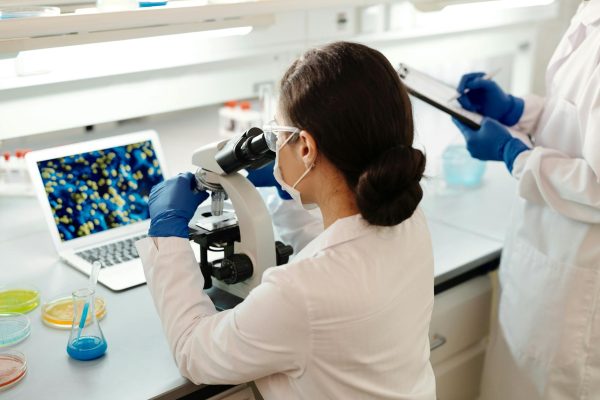
OpenAI’s GPT-Rosalind gains enhanced biological reasoning, medicinal chemistry, genomics analysis, and lab workflow tools. Here’s what that means for researchers.

An OpenAI model has disproved a central conjecture in discrete geometry unsolved for 80 years — here’s what happened and why it matters for AI and math.

Google’s Gemini for Science brings AI tools to researchers and scientists. Here’s what’s in the collection, how it works, and what it means for research.
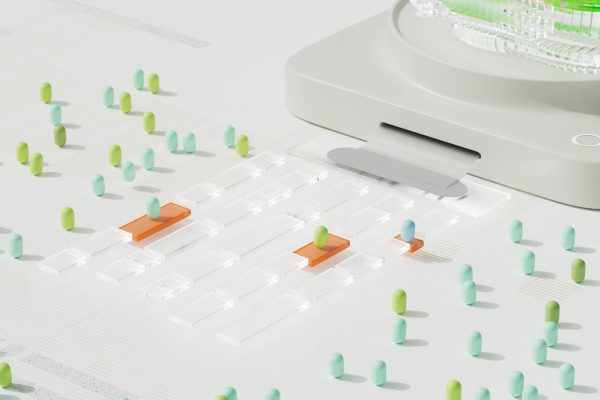
OpenAI’s Parameter Golf challenge drew 1,000+ researchers and 2,000+ submissions. Here’s what the results actually tell us about AI-assisted machine learning research.
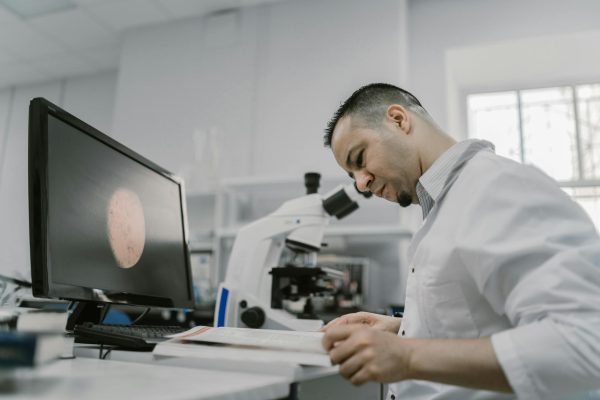
OpenAI’s GPT-Rosalind is a purpose-built reasoning model for life sciences — targeting drug discovery, genomics, and protein analysis. Here’s what it actually does.