
Google Antigravity + Gemini 3.7 Flash: Multi-Agent AI That Actually Ships
Google’s Antigravity platform pairs with Gemini 3.7 Flash to run autonomous agent teams that solve open math problems and build CPU emulators. Here’s what it means.



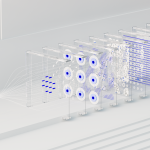


Google’s Antigravity platform pairs with Gemini 3.7 Flash to run autonomous agent teams that solve open math problems and build CPU emulators. Here’s what it means.

OpenAI is winding down its contract with Cursor following SpaceX’s acquisition of the AI coding tool. Here’s what happened and what it means for developers.

Google’s Gemini 3.5 Transcribe brings context-aware, intelligent speech-to-text to developers. Here’s what it does, how it compares, and who should care.

OpenAI’s GPT-5.6 is now live in Kiro, Amazon’s AI dev tool. Here’s what the price-performance upgrade means for developers building real software.

Google’s Gemini 3.7 Flash is here — faster, smarter, and built for coding and agentic tasks. Here’s what changed, what it means, and who wins.

Google’s Gemini API now brings 3.6 Flash, lifecycle hooks, and new agent controls to help developers ship production-ready AI agents faster. Here’s what changed.
OpenAI’s GPT-5.6 promises stronger performance per dollar and more capability on demand. Here’s what it actually means for developers and businesses.

Google expands Gemini API Managed Agents with background task execution, remote MCP support, and production-ready tooling. Here’s what developers need to know.
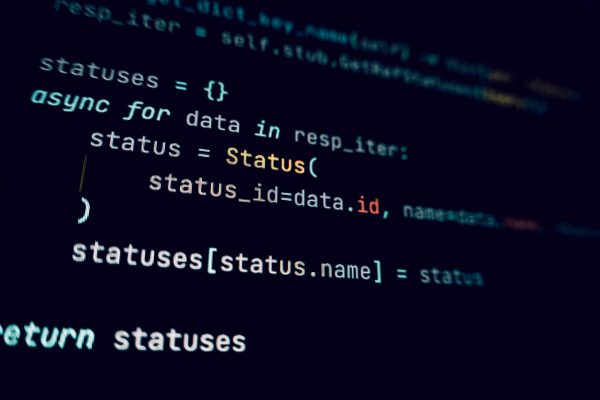
Google’s Interactions API is now generally available — a single, unified interface for all Gemini models and agents. Here’s what developers need to know.
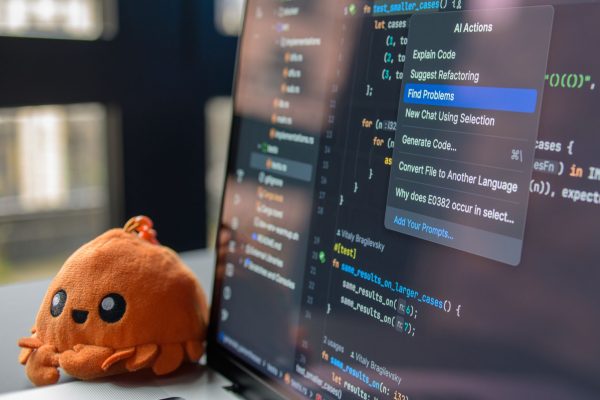
Jason Liu’s codex-maxxing approach shows how to preserve context, manage complex projects, and keep OpenAI Codex working across long coding sessions.

Google used Gemini to produce Google I/O 2026 — from code to creative. Here’s exactly how it worked and what it signals about AI-assisted production at scale.

Endava is using OpenAI Codex to cut requirements analysis from weeks to hours and reshape how its engineers deliver software at scale. Here’s how they did it.