
How Gemini Uses Your Calendar to Beat Jet Lag
Google’s Gemini app now reads your calendar and travel plans to build a personalized jet lag recovery schedule. Here’s how it works and why it matters.






Google’s Gemini app now reads your calendar and travel plans to build a personalized jet lag recovery schedule. Here’s how it works and why it matters.

Google’s new Gemini study notebooks turn the AI app into a personalized tutor. Here’s what the feature does, who it’s for, and how it stacks up.

Google’s Gemini 3.5 Flash now includes a built-in computer use tool, letting AI agents control desktops directly. Here’s what it does and why it matters.

Google’s Interactions API is now generally available — a single, unified interface for all Gemini models and agents. Here’s what developers need to know.
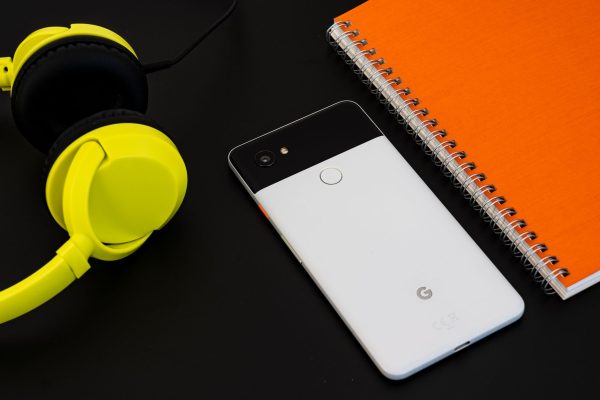
Google’s June 2026 Pixel Drop brings Gemini Omni text-to-video, smarter screen recording, and multitasking upgrades. Here’s what actually changed.

Google’s Gemini 3.5 Live Translate brings near real-time voice translation to Meet, Google Translate, and AI Studio. Here’s what it actually does and why it matters.
Google’s 9 demos of Gemini Omni and Gemini 3.5 reveal surprising capabilities. Here’s what each one actually shows — and what it means for AI’s near future.

From Gemini Omni to Gemini 3.5 Flash, here are the 12 biggest Google I/O 2026 keynote moments and what they actually mean for AI’s near future.

Google I/O 2026 puts agentic AI front and center. Here’s what Sundar Pichai announced, what it means, and how Gemini stacks up against the competition.

Google’s Gemini Omni lets you create and edit content from any input type using natural conversation. Here’s what it does and why it matters.

Google I/O 2026 brings major updates for developers: a revamped Gemini API, Google Antigravity tools, and a clear push toward agentic AI apps. Here’s what matters.

Google’s Gemini API now supports managed agents — define agents as files, run them in secure cloud sandboxes. Here’s what developers need to know.