
Google Launches Managed Agents in the Gemini API
Google’s Gemini API now supports managed agents — define agents as files, run them in secure cloud sandboxes. Here’s what developers need to know.






Google’s Gemini API now supports managed agents — define agents as files, run them in secure cloud sandboxes. Here’s what developers need to know.

Google launched Gemini 3.5 at I/O 2026, combining frontier reasoning with agentic action. Here’s what’s new, what it means, and who it’s built for.

Google’s second Gemini Startup Forum brings together 100+ startups building on Gemini AI. Here’s what this cohort reveals about where enterprise AI is heading.

Google Gemini can now turn hundreds of pages of handwritten notes into study guides and flashcards. Here’s what it does, how well it works, and who it’s for.
Google’s Gemini just launched personalisation features in the UK. Here’s what’s changed, what it means for users, and how it stacks up against the competition.
Google’s April 2026 Gemini Drop is here. Here’s every new feature, what it actually does, and whether it’s worth your attention.

Google’s Gemini AI can now help you clean your inbox, build chore schedules, and declutter your home. Here’s what it actually does — and how useful it really is.
Google’s Deep Research Max is the most capable autonomous research agent yet. Here’s what changed, what it can do, and what it means for knowledge work.

Google’s Continued Conversation feature is now live in Gemini for Home, letting users hold multi-turn voice chats without repeating wake words. Here’s what changed.
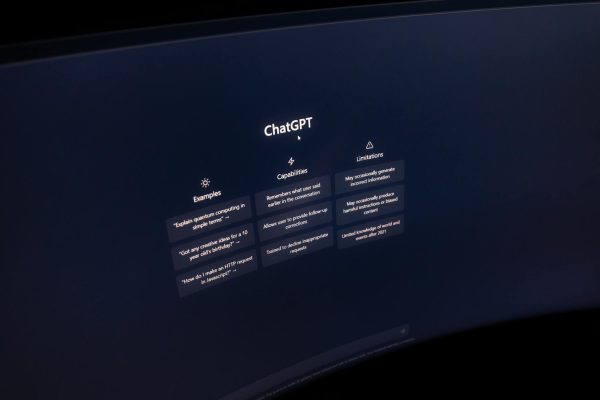
Google’s new Gemini Enterprise Agent Platform gives technical teams one place to build, govern, and scale autonomous AI agents. Here’s what it actually does.
Google’s Gemini Embedding 2 is now generally available via the Gemini API and Vertex AI. Here’s what it offers, how it compares, and why it matters.

Google now offers prepay billing for the Gemini API in AI Studio. Here’s what it means for developers managing costs and scaling AI projects in 2026.