
How loveholidays Is Turning Non-Coders Into Builders With Codex
loveholidays is using OpenAI Codex to let non-engineers build real software tools. Here’s what that looks like in practice and why it matters.





loveholidays is using OpenAI Codex to let non-engineers build real software tools. Here’s what that looks like in practice and why it matters.

Stampli compressed weeks of product launch work into days using OpenAI’s Codex and ChatGPT Work. Here’s exactly how they did it and what it means for B2B SaaS.

RingCentral is using ChatGPT Work and OpenAI Codex to speed up engineering and centralize ops intelligence. Here’s what that actually looks like in practice.

Jason Liu’s codex-maxxing approach shows how to preserve context, manage complex projects, and keep OpenAI Codex working across long coding sessions.

Notion is using OpenAI’s Codex to one-shot specs, build AI Voice Input for the web, and stretch small engineering teams further than ever before.

Nextdoor engineers are using OpenAI Codex with GPT-4.5 to tackle hard-to-reproduce bugs, cross-platform builds, and ship products faster. Here’s how.

Wasmer used OpenAI Codex and GPT-4.5 to build a Node.js runtime for the edge 10-20x faster, shipping in weeks instead of months. Here’s what that actually means.
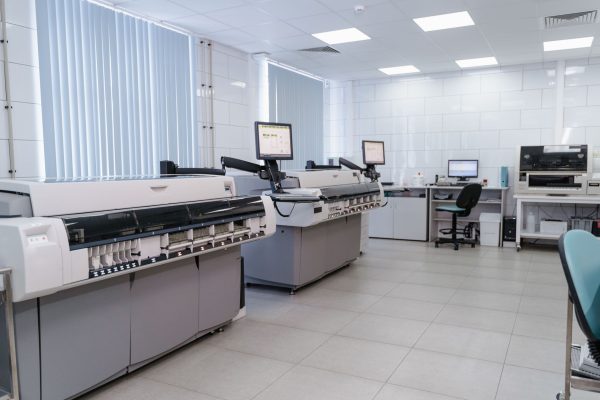
Endava is rebuilding how software gets built — using AI agents, ChatGPT Enterprise, and Codex to automate workflows and reshape its entire delivery model.
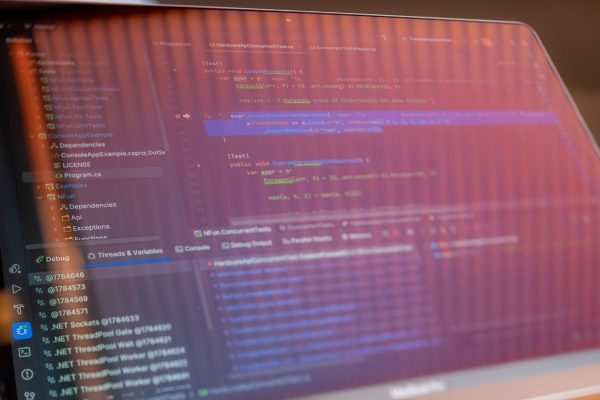
Endava is using OpenAI Codex to cut requirements analysis from weeks to hours and reshape how its engineers deliver software at scale. Here’s how they did it.
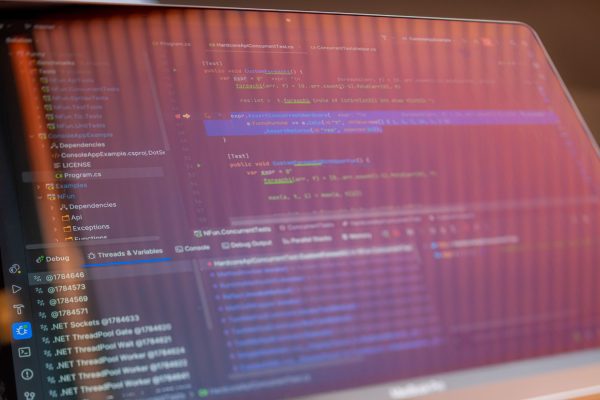
Braintrust engineers are using OpenAI Codex with GPT-5.5 to run experiments and ship code faster. Here’s exactly how they’re doing it and what it means.

OpenAI, Thrive, and Crete used Codex to build a self-improving tax agent that automates filings, boosts accuracy, and gets smarter over time. Here’s how.

Virgin Atlantic used OpenAI Codex to ship its revamped mobile app before a fixed holiday deadline, hitting near-total test coverage and zero P1 defects.