Gemini Personal Intelligence: What It Actually Does With Your Data
Google’s Gemini Personal Intelligence pulls from Gmail, Photos, YouTube and Search to personalize your AI. Here’s what that means for you.






Google’s Gemini Personal Intelligence pulls from Gmail, Photos, YouTube and Search to personalize your AI. Here’s what that means for you.

OpenAI previews GPT-5.6 Sol, its most advanced model with stronger coding, science, and cybersecurity capabilities paired with a new safety stack.

Google is pushing Career Dreamer, NotebookLM, and Gemini Live as AI job search tools. Here’s how they actually work — and whether they’re worth your time.

Google’s Gemini is quietly becoming a must-have tool for parents. Here’s how families are using AI for homework, meals, and more in 2026.

Google’s Gemini app now reads your calendar and travel plans to build a personalized jet lag recovery schedule. Here’s how it works and why it matters.
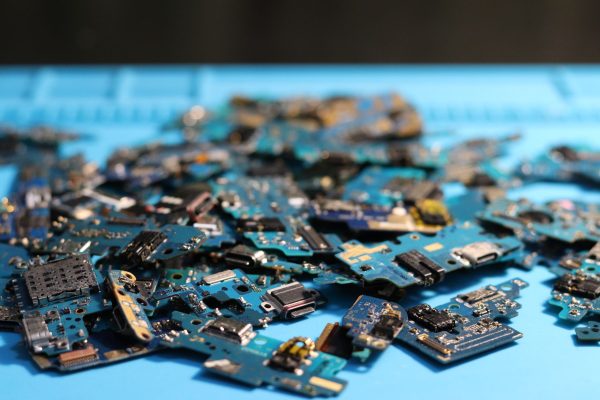
OpenAI and Broadcom have unveiled Jalapeño, a custom chip built specifically for LLM inference. Here’s what it does, why it matters, and who it threatens.

OpenAI’s new research paper reveals how AI agents are handling longer, more complex tasks — and what that means for productivity, jobs, and the future of work.

Henry County Public Schools used Gemini for Education to close critical writing achievement gaps. Here’s what actually happened and what it means for K-12 AI.

Google’s new Gemini study notebooks turn the AI app into a personalized tutor. Here’s what the feature does, who it’s for, and how it stacks up.

Google’s Gemini 3.5 Flash now includes a built-in computer use tool, letting AI agents control desktops directly. Here’s what it does and why it matters.

Samsung Electronics is rolling out ChatGPT Enterprise and Codex to employees worldwide in one of OpenAI’s largest enterprise AI deployments ever.

Omio is using OpenAI to build conversational travel search that books trains, buses, and flights through chat. Here’s what it means for the travel industry.