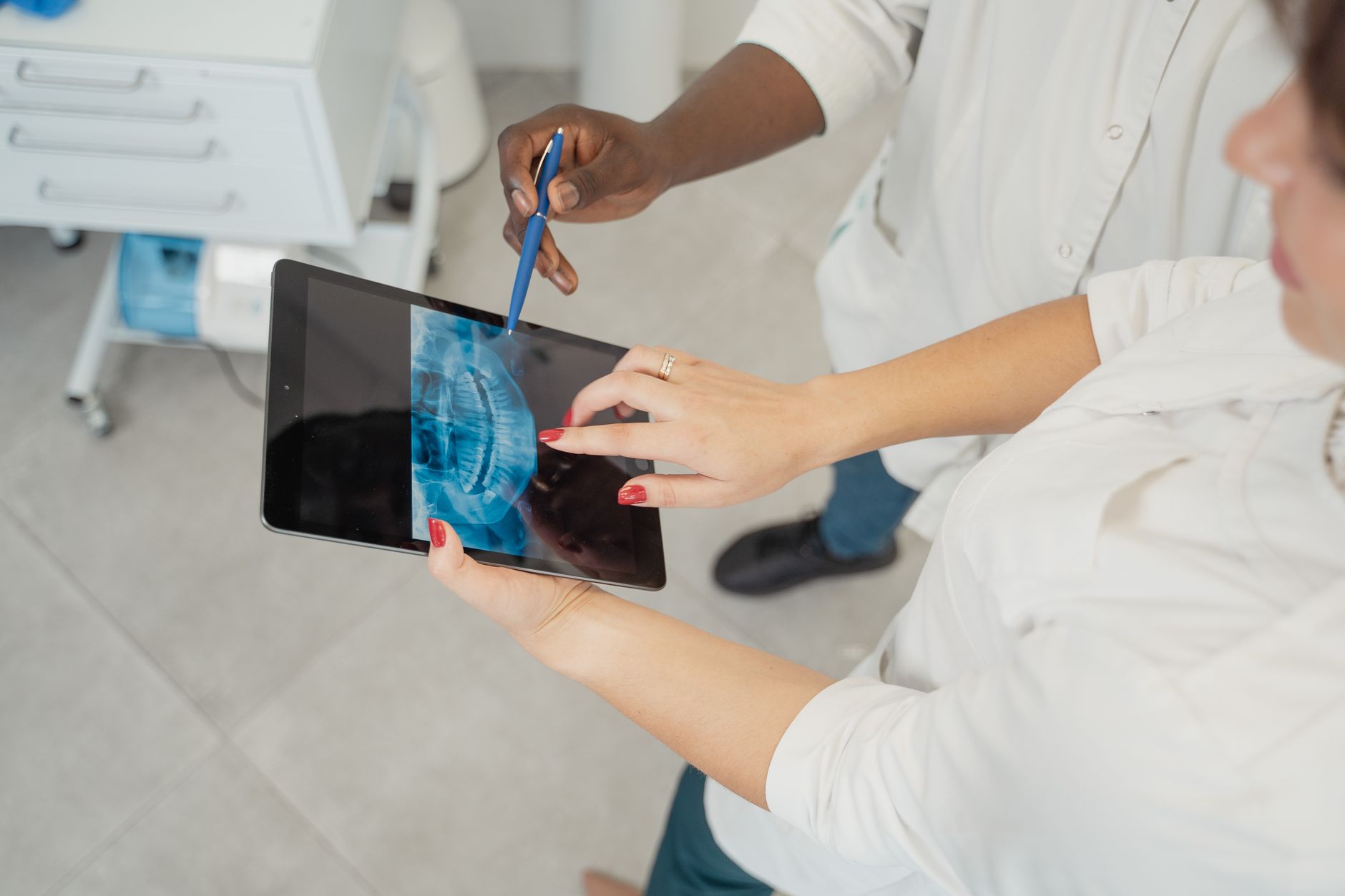





More than 40 children have received diagnoses they might never have gotten — because an AI flagged something a physician’s workflow didn’t catch. That’s the headline number coming out of Boston Children’s Hospital‘s partnership with OpenAI, announced May 29, 2026. And while a single number can be made to say almost anything, this one deserves a closer look, because the story behind it is more interesting than the press release suggests.
Why Rare Disease Diagnosis Has Always Been Broken
Rare diseases are, by definition, rare. There are roughly 7,000 known rare diseases affecting an estimated 300 million people worldwide, and the average patient waits 4.8 years before getting a correct diagnosis. Some wait over a decade. The reasons aren’t mysterious: most physicians see only a handful of rare disease patients in their entire careers, symptoms overlap with more common conditions, and no single doctor can hold every disease pattern in their head simultaneously.
Pediatric rare disease is especially brutal. Kids can’t always articulate symptoms clearly. Parents are often dismissed as anxious. And the conditions themselves — many of them genetic — can present subtly in early childhood before becoming catastrophic later. Boston Children’s, as one of the world’s top pediatric hospitals, sees a disproportionate share of these cases. They’re the place families come when every other hospital has shrugged.
So when the hospital started working with OpenAI to apply large language model technology to clinical workflows, rare disease diagnosis wasn’t a side project. It was one of the core problems they wanted to crack.
What the Technology Actually Does
The partnership between Boston Children’s and OpenAI isn’t one single tool — it’s a set of AI-assisted workflows woven into how clinicians and staff operate day to day. Here’s what the deployment actually covers:
- Rare disease pattern recognition: AI models analyze patient records, symptoms, and clinical notes to surface potential diagnoses that match rare disease profiles, flagging cases for specialist review that might otherwise have been coded as something more common.
- Administrative load reduction: AI handles documentation tasks, freeing physicians from the note-writing and form-filling that currently consumes an estimated 30-50% of a doctor’s working day in the US healthcare system.
- Clinical decision support: Real-time assistance during consultations, helping physicians access relevant literature, treatment protocols, and differential diagnoses without leaving the patient encounter.
- Operational efficiency: Back-office workflows — scheduling, prior authorizations, patient communication — are being automated or semi-automated to reduce friction for both staff and families.
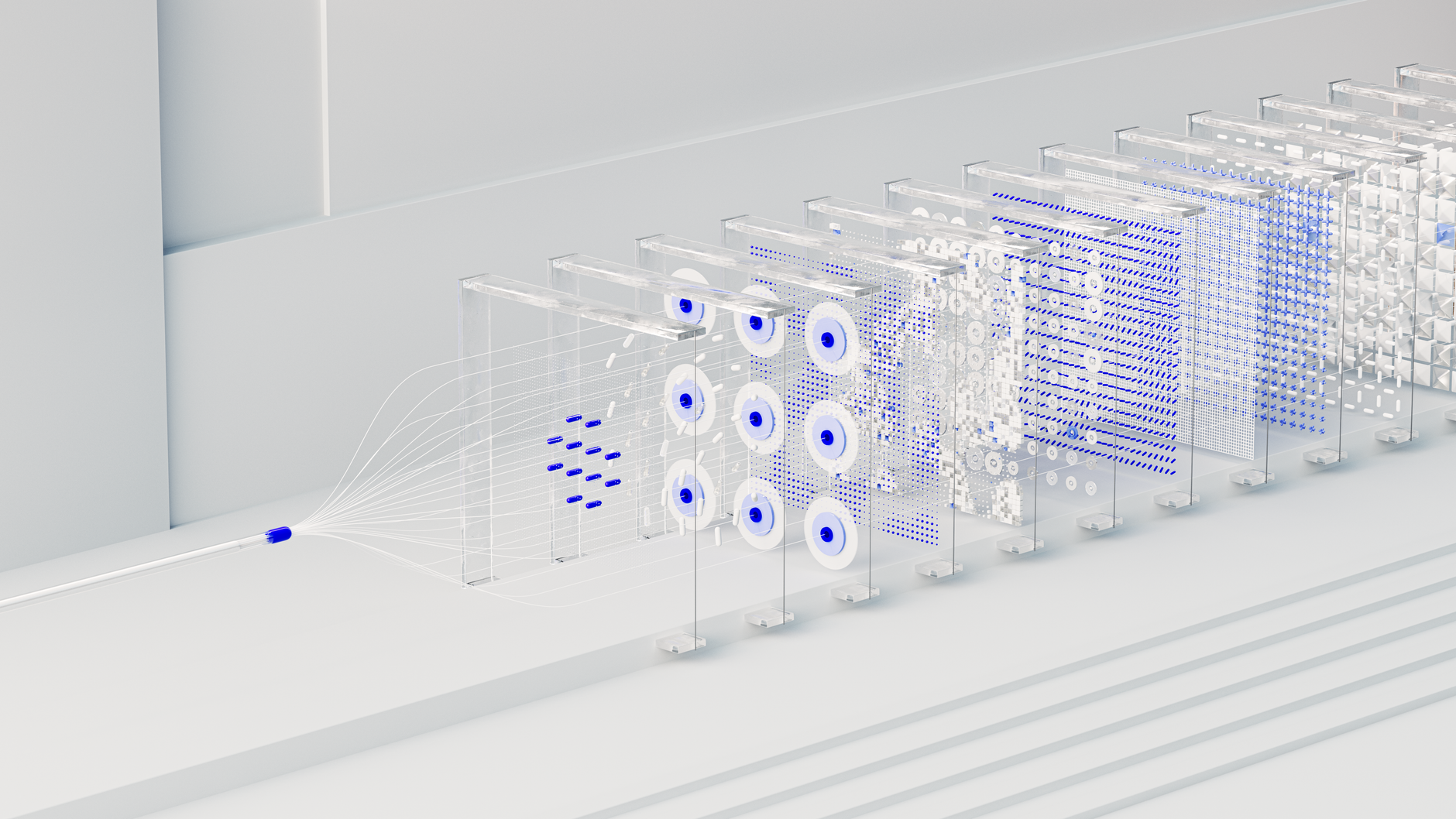
The rare disease diagnosis function is the most technically interesting piece. What the model is doing, at a simplified level, is pattern-matching across a much larger space than any individual clinician can hold in working memory. It’s reading the whole picture — lab values, imaging notes, symptom timelines, family history — and asking: does this constellation of findings match any known rare disease phenotype?
That’s not magic. That’s what a very experienced specialist does. The difference is that the AI can do it for every patient, every time, without getting tired or defaulting to the most probable explanation.
The 40+ Diagnoses Number — What It Actually Means
OpenAI’s announcement cites more than 40 rare disease cases identified through AI-assisted review. That number is worth unpacking carefully. It almost certainly doesn’t mean 40 cases where AI was the sole diagnostician — medicine doesn’t work that way, and responsible AI deployment in clinical settings definitely doesn’t. What it more likely means is 40 cases where AI surfaced a hypothesis that was then confirmed by human specialists who might not have reached that hypothesis on their own, or not as quickly.
Even with that caveat, 40 diagnoses is significant. For those 40 children and their families, early and correct diagnosis can mean the difference between a treatment that works and years of ineffective interventions. Some rare diseases have targeted therapies that are only effective in early disease stages. Diagnosis at month six versus year four isn’t just a statistic — it’s a different life outcome.
How This Compares to Other Healthcare AI Deployments
Boston Children’s isn’t the first major hospital system to integrate OpenAI technology. AdventHealth has been using ChatGPT to reduce physician documentation burden, and that deployment has focused primarily on the administrative side of medicine — note generation, summarization, patient communication. What makes the Boston Children’s case distinct is the clinical reasoning application: actually helping identify what’s wrong, not just documenting what was found.
Google’s Med-PaLM 2 has been the other major player in clinical AI, and Google has continued pushing its healthcare AI ambitions through 2026. Microsoft’s partnership with Epic, baked into one of the most widely used electronic health record systems in the country, gives it massive distribution. OpenAI’s approach through direct hospital partnerships is a different bet — going deep with specific institutions rather than embedding broadly through existing software infrastructure.
Neither approach is obviously superior. But for rare disease diagnosis specifically, where you want the most capable frontier model reasoning over complex clinical data, going direct to a specialized institution like Boston Children’s makes sense.
The Operational Burden Problem Is Just as Important
It’s easy to focus on the dramatic rare disease story and miss what might be the more systemically important part of this deployment: the operational burden reduction.
Physician burnout in the US is at crisis levels. The American Medical Association estimates that more than half of US physicians report burnout symptoms, and administrative burden — documentation, prior authorizations, inbox management — is consistently cited as the primary driver. At a pediatric hospital that sees some of the most complex cases in the country, that burnout isn’t just a workforce problem. It’s a patient safety problem.
If AI can credibly claw back even 20% of a physician’s day from administrative tasks, the downstream effects compound. More time with patients. More cognitive bandwidth for complex cases. Less likelihood of errors driven by fatigue. This is why healthcare AI that works on the mundane stuff often matters more than the flashy diagnostic tools, even if it’s less interesting to write about.
The Trust and Safety Question
Any serious discussion of AI in clinical settings has to address the trust question head-on. How do you deploy AI in a context where errors have life-or-death consequences?
The honest answer is: carefully, slowly, and with humans in the loop. Boston Children’s isn’t running a fully autonomous diagnostic AI. The models surface hypotheses and flag cases; physicians make decisions. That’s the right architecture for this moment, and it’s consistent with how OpenAI has been thinking about frontier AI in high-stakes domains like biodefense.
The risk that deserves scrutiny is different: over-reliance over time. As clinicians see the AI perform well on rare disease flags, there’s a natural tendency to trust it more broadly and check it less carefully. That’s a workflow and culture problem, not just a technology problem, and it’s one that hospital leadership has to actively manage.
What This Means for Patients, Physicians, and the Industry
For families navigating the rare disease system, this kind of deployment represents something real: a higher floor on diagnostic thoroughness. You don’t have to hope you got the right specialist on the right day. The system is running checks that weren’t running before.
For physicians, it’s genuinely complicated. The best doctors will see this as a tool that makes them better. Some will feel it as a challenge to their expertise or autonomy. Hospitals that handle that cultural transition well will pull ahead of those that don’t.
For the broader healthcare AI industry, Boston Children’s validates a deployment model that’s been hard to get right: AI that operates on real clinical data, in real workflows, at a tier-one institution, with documented outcomes. That’s a much harder proof point than a benchmark score. I wouldn’t be surprised if this accelerates similar partnerships at other major academic medical centers — the competitive pressure to not fall behind on AI-assisted diagnosis is going to become very real, very fast.
OpenAI’s healthcare strategy is coming into focus. It’s not just selling API access — it’s co-building clinical applications with institutions that have both the data and the credibility to prove what works. The question now is whether the 40-diagnosis milestone is a proof of concept or the beginning of something that scales to thousands of patients across dozens of conditions. Given what’s at stake for the kids on the other end of these diagnoses, that’s not an abstract question.
Frequently Asked Questions
What specific OpenAI technology is Boston Children’s using?
The partnership uses OpenAI’s large language model technology integrated into clinical workflows, though the exact model versions aren’t publicly specified. The deployment covers both administrative automation and clinical decision support, including rare disease pattern recognition across patient records and symptom data.
Is the AI making diagnoses autonomously?
No — the AI surfaces hypotheses and flags potential rare disease cases for specialist review. Physicians make all clinical decisions. This human-in-the-loop model is standard for responsible clinical AI deployment at this stage of the technology.
How does this compare to what other hospitals are doing with AI?
Most major hospital AI deployments have focused on administrative burden reduction — note-taking, documentation, scheduling. Boston Children’s is one of the first prominent institutions to report documented clinical outcomes from AI-assisted rare disease diagnosis specifically, which makes it a more advanced deployment than most. You can see a contrast with AdventHealth’s primarily administrative ChatGPT use case.
Will this technology become available at other hospitals?
OpenAI has been building healthcare partnerships selectively with major institutions. There’s no announced general availability for the clinical diagnostic tools described here, but the success at Boston Children’s will likely accelerate similar partnerships elsewhere. The broader trend toward OpenAI deploying frontier models in high-stakes institutional settings suggests healthcare will remain a core focus area.