
How Google Built I/O 2026 Using Its Own AI
Google used Gemini to produce Google I/O 2026 — from code to creative. Here’s exactly how it worked and what it signals about AI-assisted production at scale.






Google used Gemini to produce Google I/O 2026 — from code to creative. Here’s exactly how it worked and what it signals about AI-assisted production at scale.
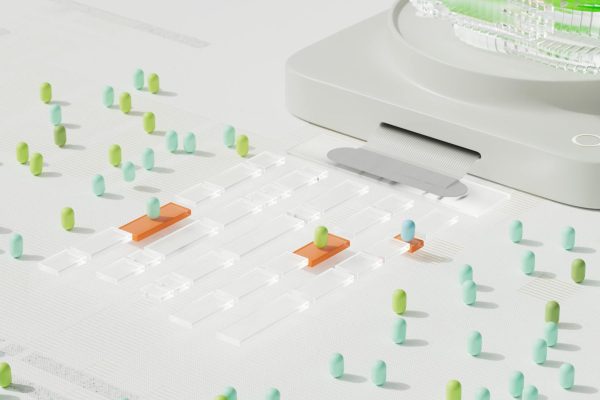
Google’s 9 demos of Gemini Omni and Gemini 3.5 reveal surprising capabilities. Here’s what each one actually shows — and what it means for AI’s near future.
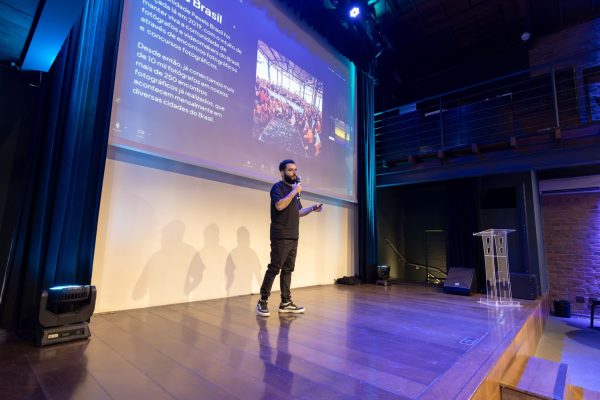
From Gemini Omni to Gemini 3.5 Flash, here are the 12 biggest Google I/O 2026 keynote moments and what they actually mean for AI’s near future.

Google’s Face Control feature on Chromebooks is transforming how students with physical disabilities navigate school — no extra hardware, no extra cost.

Google is rolling out Gemini-powered ad formats in Search and expanding Direct Offers. Here’s what it means for advertisers, shoppers, and the future of search.

Google I/O 2026 puts agentic AI front and center. Here’s what Sundar Pichai announced, what it means, and how Gemini stacks up against the competition.

Google’s Gemini for Science brings AI tools to researchers and scientists. Here’s what’s in the collection, how it works, and what it means for research.

Google’s Gemini Omni lets you create and edit content from any input type using natural conversation. Here’s what it does and why it matters.
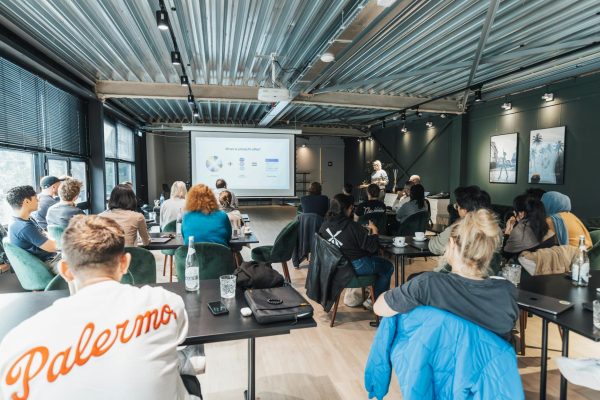
Google I/O 2026 brings major updates for developers: a revamped Gemini API, Google Antigravity tools, and a clear push toward agentic AI apps. Here’s what matters.

Google’s Gemini API now supports managed agents — define agents as files, run them in secure cloud sandboxes. Here’s what developers need to know.

Google launched Gemini 3.5 at I/O 2026, combining frontier reasoning with agentic action. Here’s what’s new, what it means, and who it’s built for.
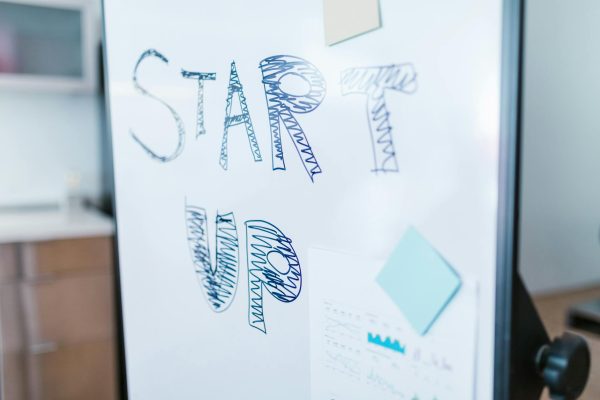
Google’s second Gemini Startup Forum brings together 100+ startups building on Gemini AI. Here’s what this cohort reveals about where enterprise AI is heading.