Gemini Embedding 2 Is Now Generally Available
Google’s Gemini Embedding 2 is now generally available via the Gemini API and Vertex AI. Here’s what it offers, how it compares, and why it matters.






Google’s Gemini Embedding 2 is now generally available via the Gemini API and Vertex AI. Here’s what it offers, how it compares, and why it matters.
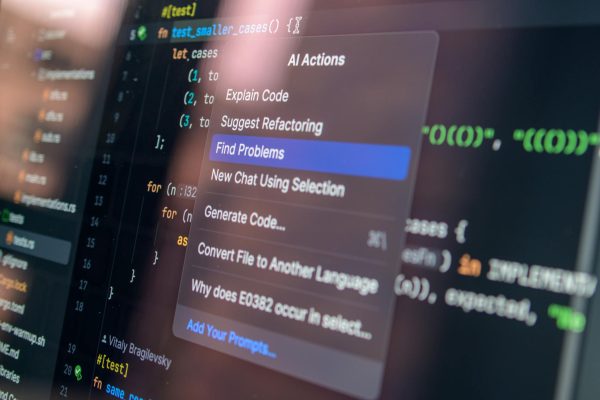
Google AI Pro and Ultra subscribers now get expanded AI Studio access, Nano Banana Pro, and vibe coding tools. Here’s what changed and why it matters.

Google now offers prepay billing for the Gemini API in AI Studio. Here’s what it means for developers managing costs and scaling AI projects in 2026.

Google’s 2025 Ads Safety Report reveals how Gemini-powered tools blocked billions of harmful ads. Here’s what changed, what it means, and what’s still broken.

Google’s Nano Banana 2 update lets the Gemini app create personalized images using your life context and Google Photos. Here’s what it does and why it matters.
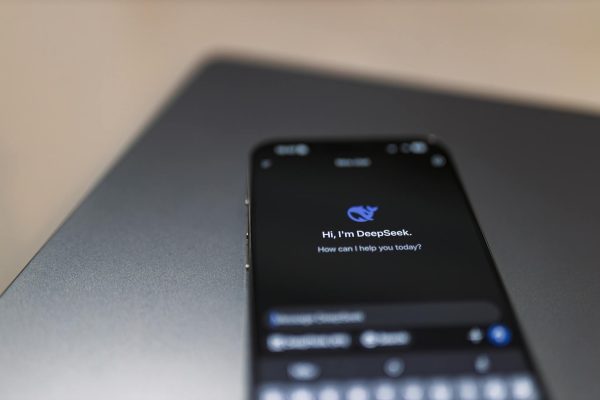
Google’s Gemini 3.1 Flash TTS brings expressive, natural-sounding AI speech to products everywhere. Here’s what it does, how it works, and who wins.
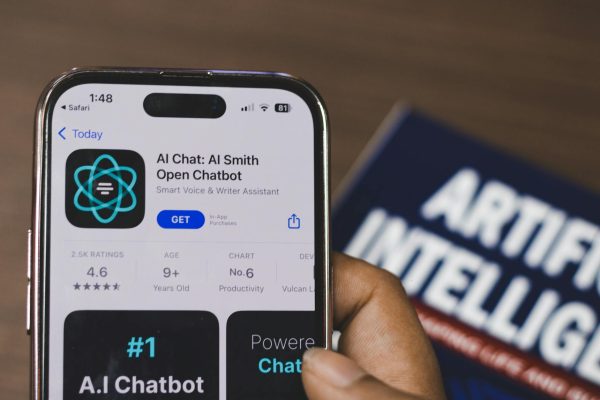
Google’s Gemini app lands on macOS as a native desktop experience. Here’s what it does, how it stacks up against ChatGPT, and who it’s actually for.

Google DeepMind’s Gemini Robotics ER-1.6 upgrades robot reasoning to handle real-world tasks. Here’s what changed, why it matters, and who should care.

Google’s Gemini can turn your lecture notes into podcasts, quizzes, and study guides. Here’s how students can actually use it before finals.

Google’s new Notebooks feature in the Gemini app connects your AI conversations directly to NotebookLM, creating a unified research workflow for projects.

Google Colab’s new Learn Mode uses Gemini AI to teach coding step-by-step instead of just writing code for you. Here’s what changed and why it matters.

Google says Gemini doesn’t train on your Gmail data. Here’s exactly how Gmail privacy works in the AI era — and whether you should actually believe it.