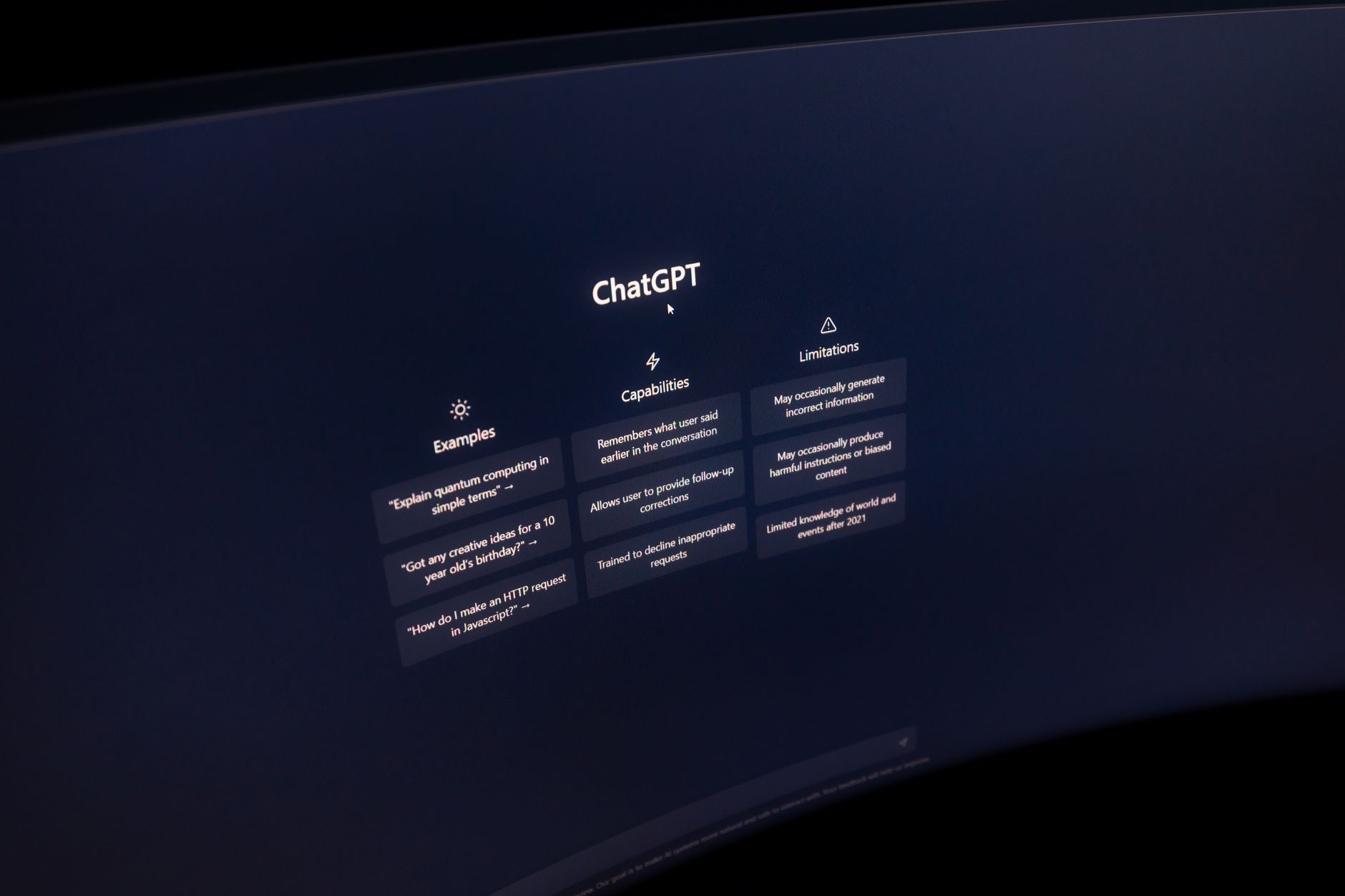





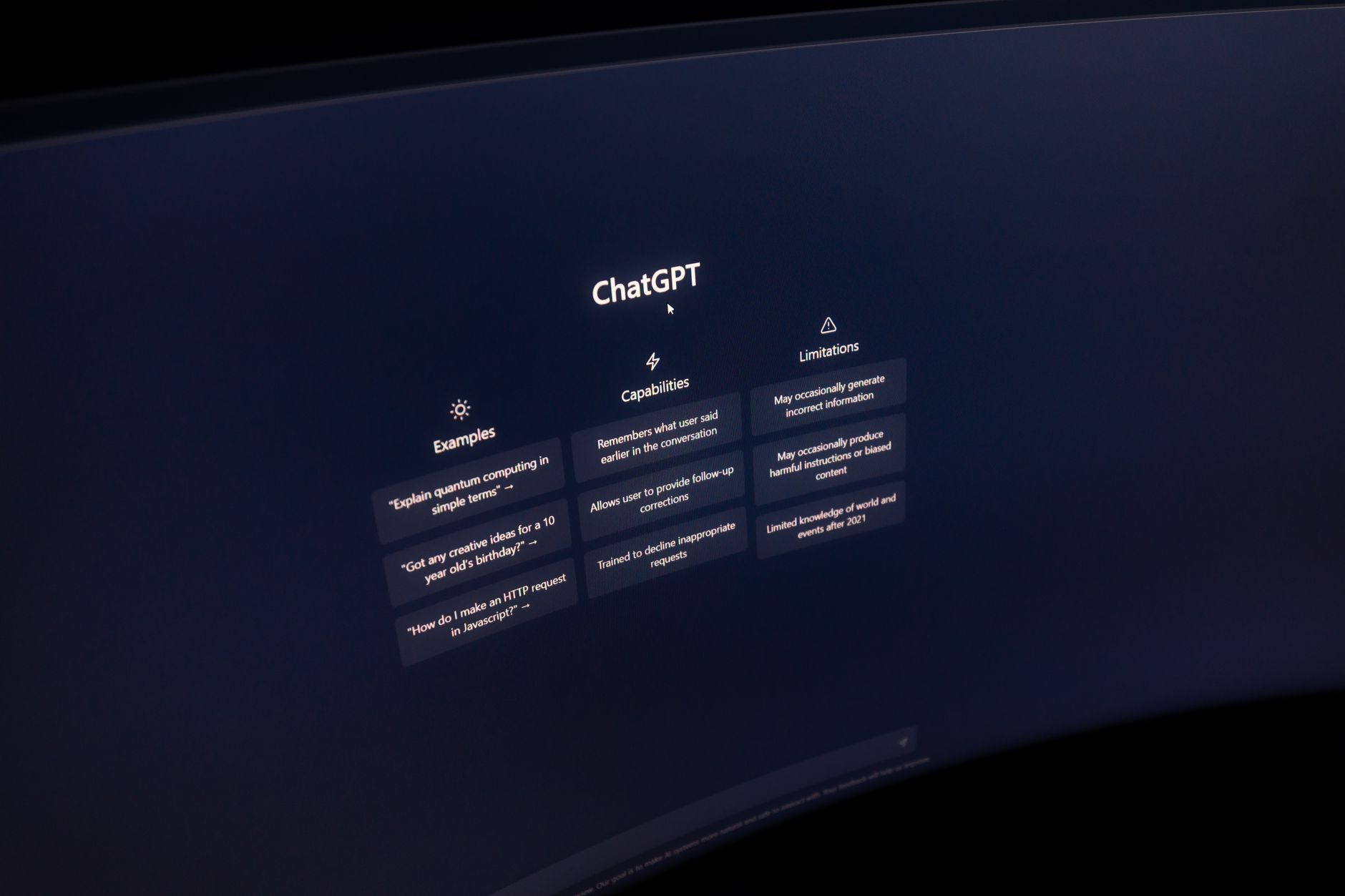
HP Inc. just made a significant bet on OpenAI — and it’s not just about slapping a ChatGPT logo on a laptop box. The company has officially scaled its relationship with OpenAI to the Frontier partnership tier, one of OpenAI’s highest-level enterprise arrangements, targeting three core areas: customer experience, software development, and internal enterprise operations. This is the kind of deal that signals where a 80-year-old hardware giant thinks the next decade of computing is heading.
How HP Got Here — And Why It Matters Now
HP Inc. has spent the last few years quietly repositioning itself as an AI-forward company, not just a printer and PC maker. That’s harder than it sounds when your brand is synonymous with ink cartridges and office printers. But HP’s leadership has been pushing AI integration into its hardware and services stack since at least 2023, and the official Frontier partnership announcement is the clearest signal yet that the company is serious about going deeper than surface-level AI features.
The timing makes sense. Enterprise customers are past the “let’s experiment with AI” phase. They want AI woven into workflows, not bolted on as an afterthought. HP, which serves millions of business customers globally, needs to offer something more than competitive hardware specs. AI-enabled services — support, development, operations — are now table stakes for any major enterprise technology vendor.
The Frontier tier itself is significant. OpenAI doesn’t hand that label out casually. It’s reserved for partners committing to deep integration and meaningful deployment at scale, not just API access. Samsung’s own global rollout of ChatGPT Enterprise and Codex earlier this year gives a useful comparison — that deal touched tens of thousands of engineers across Samsung’s divisions. HP’s ambitions appear similarly broad.
What the Partnership Actually Covers
Three pillars define this deal, and each one is worth unpacking properly.
1. Customer Experience
HP handles an enormous volume of customer support interactions — warranty claims, printer troubleshooting, device setup, software licensing issues. Traditionally, that’s been a mix of offshore call centers, chatbots running on older NLP platforms, and self-service knowledge bases that nobody actually enjoys using.
The OpenAI integration is designed to replace or augment much of that with AI agents capable of handling more complex, multi-turn conversations. Think less “press 1 for billing” and more a system that can actually diagnose a print spooler error, walk a user through a driver rollback, and escalate intelligently when human intervention is genuinely needed. If it works the way HP intends, this could meaningfully reduce resolution times and cut support costs — two things HP’s CFO almost certainly cares about deeply.
2. Software Development
HP has a surprisingly large internal software operation. Between its device management platforms, security tools, and cloud print services, there are engineering teams building and maintaining substantial codebases. The partnership brings OpenAI’s coding capabilities — likely including access to models like the latest GPT-5 generation — directly into those development workflows.
This mirrors what we’ve seen at other large enterprises. AI-assisted coding doesn’t just mean autocomplete. It means faster code review, automated test generation, documentation that actually stays current, and the ability for smaller teams to maintain larger systems. For HP, which isn’t primarily a software company, this kind of force multiplier matters more than it would for a pure-play tech firm with unlimited engineering headcount.
3. Enterprise Operations
This is the broadest and arguably most interesting pillar. “Enterprise operations” covers everything from internal knowledge management and HR workflows to supply chain analysis and financial reporting. HP is essentially deploying AI agents across its own back office — using OpenAI’s models to automate repetitive knowledge work and surface insights faster than traditional BI tools can.
AI agents are already changing how enterprises structure their workflows, and HP appears to be committing to that model at scale internally, not just selling it to customers.
Key Features of the HP-OpenAI Frontier Deal
- Frontier-tier access to OpenAI’s most capable models, including priority access as new models ship
- AI-powered customer support agents for HP’s global consumer and business customer base
- Enterprise operations automation using AI agents across HP’s internal business functions
- Joint development track — HP and OpenAI working together on HP-specific use cases, not just off-the-shelf deployments
- Data privacy and security protocols appropriate for enterprise-grade deployment, consistent with OpenAI’s enterprise tier standards
Codex and coding model integration for HP’s internal software engineering teams
What This Means for HP’s Competitors — and OpenAI’s Strategy
Let’s be direct: HP isn’t doing this in a vacuum. Dell, Lenovo, and Microsoft are all making aggressive AI plays in the enterprise hardware and services space. Dell has its own AI partnership structures. Lenovo has been embedding AI features into its ThinkPad line and enterprise solutions aggressively. And Microsoft, which has its own deep OpenAI relationship via a multi-billion dollar investment, has Copilot baked into Windows, Office, and Azure.
HP’s move with OpenAI is partly defensive. If Microsoft is going to keep pushing Copilot into every corner of enterprise computing, HP needs a credible AI story that doesn’t just route everything through Microsoft’s stack. A direct Frontier-level relationship with OpenAI gives HP more control over its AI roadmap and, potentially, better economics than reselling Microsoft’s AI products.
From OpenAI’s side, this is exactly the kind of partnership the company needs to justify its valuation and demonstrate that its models are the default choice for major enterprises building serious AI operations. OpenAI is competing hard against Google’s Vertex AI platform and Amazon Bedrock for enterprise AI wallet share. Every Frontier-level deal it closes with a Fortune 500 company is a data point in that argument. HP, with its global reach and massive customer base, is a genuinely meaningful win.
I wouldn’t be surprised if we see HP start incorporating OpenAI branding more visibly into its commercial products — particularly its business laptops and managed print services. The Frontier partnership feels like a precursor to something more visible to end users.
What This Means for HP’s Customers and Partners
If you’re an IT administrator running an HP-heavy environment, the near-term impact is probably in support quality. Better AI-driven support means faster resolution and less time on hold or wrestling with outdated knowledge base articles. That’s genuinely useful.
For HP’s enterprise software customers — people using HP’s device management or security platforms — expect AI-assisted features to start appearing in product updates over the next 12-18 months. These won’t be announced with fanfare necessarily; they’ll show up as smarter anomaly detection, better automated reporting, and natural language interfaces for things that currently require clicking through menus.
Developers at HP’s partners and ISVs should watch the coding tools angle. If HP opens up any of its AI development infrastructure to its partner ecosystem, that could be meaningful for companies building on HP’s platforms.
What is the OpenAI Frontier partnership tier?
Frontier is OpenAI’s highest-level enterprise partnership designation, reserved for organizations making deep, scaled commitments to deploying OpenAI’s models across their business. It typically includes priority model access, joint development work, and dedicated support structures that standard enterprise customers don’t receive.
How does this compare to HP’s previous AI efforts?
HP has been integrating AI into products like its Wolf Security platform and Poly collaboration tools for several years, but those were largely feature-level additions. This Frontier partnership represents a structural commitment — AI embedded into HP’s core customer, engineering, and operations functions, not just product features.
Will HP customers see immediate changes?
Probably not immediately. Enterprise AI deployments of this scale take time to roll out properly. Expect meaningful changes to customer support experiences within six to twelve months, with broader operational and product-level AI features following over 2026 and into 2027.
Does this affect HP’s relationship with Microsoft Copilot?
HP hasn’t indicated it’s moving away from Microsoft integrations — the two relationships can coexist. But a direct OpenAI Frontier partnership does give HP more strategic independence in how it builds and deploys AI, rather than relying entirely on Microsoft’s AI product roadmap.
What’s worth watching now is how HP translates this partnership into actual product differentiation — something visible enough that enterprise buyers factor it into purchasing decisions. The deal is signed; the harder work of making it matter to customers starts now. Given how aggressively the rest of the hardware industry is moving on AI, HP doesn’t have the luxury of a slow rollout.