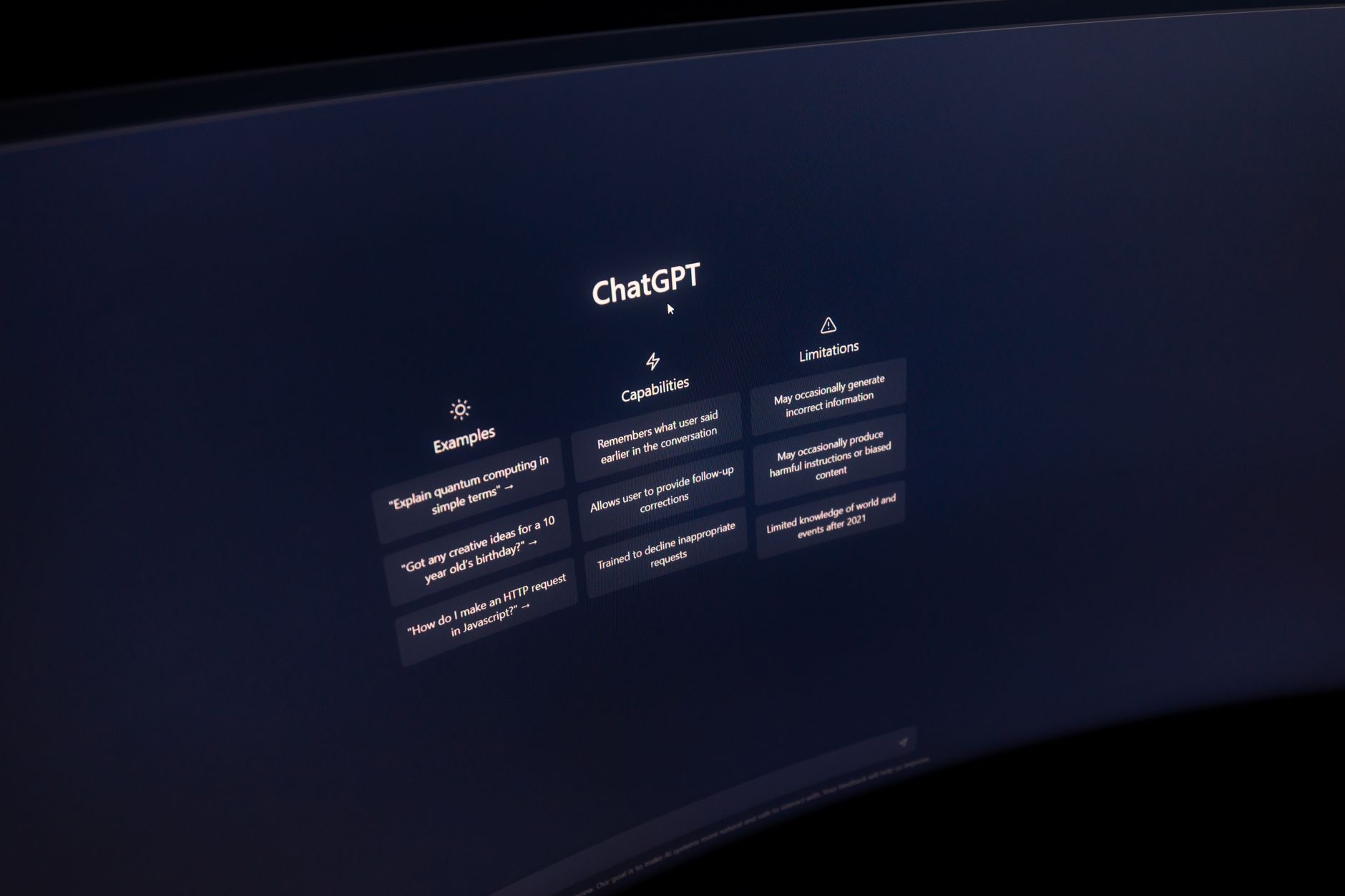






Enterprise software buyers have a new reason to dust off their Oracle Cloud contracts. OpenAI announced on June 10, 2026 that its models — including Codex, its AI coding agent — are now accessible directly through Oracle Cloud Infrastructure (OCI), meaning large organizations can draw down against existing OCI spending commitments to pay for OpenAI access. No new procurement cycle. No separate vendor relationship. Just a line item against a contract you already signed.
That might sound like a billing technicality. It isn’t. For enterprise IT, procurement friction is real friction, and anything that removes a vendor approval process tends to get adopted faster. This is a deliberate move by both companies to get OpenAI’s models in front of the Fortune 500 accounts Oracle already owns.
How the OpenAI–Oracle Relationship Got Here
The partnership between OpenAI and Oracle isn’t new, but it’s been accelerating quickly. Oracle committed to providing cloud infrastructure to support OpenAI’s compute needs as part of the broader Stargate initiative announced in early 2025 — a $500 billion AI infrastructure project backed by OpenAI, SoftBank, and Oracle. That deal put Oracle squarely in the middle of the AI arms race, even though the company had been seen for years as a legacy database vendor rather than a hyperscaler competing with AWS, Azure, or Google Cloud.
What’s new in this June 2026 announcement is the consumption model. Previously, enterprises might have had to access OpenAI through the OpenAI API directly, or through Microsoft Azure OpenAI Service — which has been Azure’s main vehicle for enterprise OpenAI access since 2023. Now Oracle is a direct distribution channel, and critically, customers can use their existing Oracle Universal Credits to pay for OpenAI usage.
This matters because Oracle’s enterprise contracts are notoriously large and sticky. Many organizations have tens of millions of dollars in committed Oracle spend sitting on the books. Giving them a way to route some of that toward AI model inference is a smart activation strategy for both sides.
What’s Actually Available and How It Works
The integration covers OpenAI’s full model lineup available via API, plus Codex — OpenAI’s cloud-based coding agent that operates autonomously on software tasks. Enterprises get access through OCI, with the security and compliance controls Oracle’s customers expect.
Here’s what the offering includes, based on the announcement:
- OpenAI model access including GPT-4o and other current flagship models, billed against OCI commitments
- Codex CLI and cloud agent capabilities for software development workflows
- Enterprise-grade security controls through Oracle’s existing identity and access management infrastructure
- Data governance features that Oracle says prevent customer data from being used to train OpenAI models
- Private networking options so API calls don’t traverse the public internet
- Compliance support for regulated industries — healthcare, finance, government — that need audit trails and data residency guarantees
That last point is where Oracle has a genuine edge over going direct to OpenAI’s API. Oracle has spent decades building compliance certifications and data sovereignty infrastructure. A hospital system or a bank trying to deploy AI has a much easier conversation with their legal and compliance teams when the infrastructure is already FedRAMP authorized or HIPAA covered — which OCI is.
For Codex specifically, this is another enterprise on-ramp for a product that’s been rolling out across developer teams this year. We’ve covered how Notion uses Codex to ship features fast and how Nextdoor engineers use it to cut development time — but those are tech-native companies comfortable with direct API relationships. Enterprise software teams at large manufacturers or financial institutions have very different procurement and security requirements. Oracle is the bridge.
Who This Actually Competes With
Let’s be direct: the main competitive target here is Microsoft Azure OpenAI Service. Microsoft has had an exclusive or preferential distribution relationship with OpenAI since its early billion-dollar investments, and Azure has been the go-to enterprise channel for OpenAI models. Azure’s OpenAI Service is deeply integrated with Microsoft’s broader enterprise stack — Active Directory, Azure DevOps, Power Platform, Copilot for Microsoft 365.
Oracle can’t match that level of product integration. But Oracle does have something Microsoft doesn’t: a massive installed base of enterprise customers who are not Microsoft shops, or who actively want to avoid deepening Microsoft dependency. Oracle’s database and ERP customers — a lot of them running Oracle Fusion Cloud or older on-premise Oracle systems — represent a segment that’s been somewhat left out of the Azure-centric AI rollout narrative.
There’s also Google Cloud, which offers Gemini models through Vertex AI and has been aggressively courting enterprise customers. Google’s pitch has improved significantly, but Oracle has a trust relationship with certain enterprise segments — particularly industries running Oracle databases — that Google hasn’t fully cracked.
AWS Bedrock is the other major competitor, offering models from Anthropic (Claude), Meta (Llama), Mistral, and others, but notably not OpenAI models. That’s a real gap in Bedrock’s lineup for teams that specifically want GPT-4o or Codex. The Oracle-OpenAI deal exploits that gap directly.
The Governance Angle Is More Important Than It Looks
OpenAI has been under significant scrutiny around enterprise data practices. When a company sends proprietary code or customer data to an AI model, where does it go? Is it used for training? Who can see it? These questions have slowed enterprise AI adoption more than any technical limitation.
Oracle’s announcement emphasizes that the integration includes contractual guarantees that enterprise data won’t feed back into OpenAI’s training pipelines. That’s not new as a concept — Microsoft Azure OpenAI Service has had similar protections — but it’s important that Oracle is foregrounding this. The companies most likely to use this integration are exactly the companies that legal teams have been most cautious about AI adoption.
It also connects to broader themes in OpenAI’s enterprise strategy. As we noted in our coverage of OpenAI’s frontier AI governance blueprint, the company has been working to build credibility with enterprise and government buyers who need more than just capability — they need accountability structures. Distribution through a compliance-heavy platform like Oracle reinforces that positioning.
What This Means for Different Types of Buyers
The practical impact breaks down differently depending on where you sit:
For enterprises already on OCI: This is the most immediate win. If your organization has Oracle Cloud commitments, you can potentially start accessing OpenAI models without a new procurement process. Check with your Oracle account team — the activation path will depend on your specific contract structure, but the spend flexibility is there by design.
For Oracle’s sales team: This gives them a genuinely competitive AI story to tell. Selling Oracle Cloud has been harder when customers could point to Azure or AWS as having better AI model access. That argument is weaker now.
For OpenAI: This expands the addressable market meaningfully. Enterprises that would never go direct to api.openai.com — because their procurement process requires an approved vendor with an enterprise agreement — now have a path through a vendor they already trust.
For Microsoft: This isn’t an existential threat, but it’s a real competitive pressure on Azure OpenAI Service. Any enterprise customer that can be convinced to run OpenAI workloads on Oracle instead of Azure is a missed revenue opportunity for Microsoft’s cloud division.
Frequently Asked Questions
Can any Oracle Cloud customer access OpenAI models through this deal?
Customers with Oracle Universal Credits or existing OCI spending commitments can apply that spend toward OpenAI model usage. The specific activation process depends on your Oracle contract, so you’ll want to work with your Oracle account representative to confirm eligibility and set up access.
Is this the same as Microsoft Azure OpenAI Service?
Functionally similar in terms of model access, but different infrastructure and commercial structure. Azure OpenAI is deeply integrated with Microsoft’s product suite, while the Oracle offering runs on OCI and integrates with Oracle’s security and identity tools. The data governance protections are comparable — both promise no training on customer data — but the surrounding infrastructure differs significantly.
Does this include Codex, or just the chat and completion models?
Yes, Codex is explicitly included. Enterprises get access to both OpenAI’s language models and Codex’s coding agent capabilities, which is notable for organizations trying to roll out AI-assisted software development at scale without routing traffic through consumer-facing tools.
How does pricing work compared to going directly to OpenAI’s API?
Pricing details weren’t fully disclosed in the announcement, but the model works by drawing down against existing Oracle Cloud commitments rather than paying OpenAI separately. For organizations with large committed Oracle spend, this may offer effective discounts or at least budget simplicity. Direct OpenAI API pricing remains available as an alternative for teams without Oracle relationships.
The deal also signals something worth watching: OpenAI is clearly building a multi-cloud distribution strategy rather than relying exclusively on its Microsoft relationship. With an IPO likely on the horizon, diversifying revenue channels through enterprise cloud partnerships makes obvious strategic sense. Don’t be surprised if similar arrangements with other cloud providers follow in the next twelve months.