


Schools are already behind. That’s the uncomfortable truth OpenAI is leaning into with its latest push — a package of new tools, certifications, and measurement resources specifically designed to help K-12 schools and universities close what the company calls the “AI capability gap.” Announced on March 5, 2026, this isn’t just a blog post with good intentions. OpenAI is putting structure behind its AI education opportunity initiative, and the details are worth paying attention to.
What OpenAI Actually Announced for Education
The package covers three areas: new AI tools built for educational settings, a certification program for students and educators, and resources to help institutions actually measure whether any of this is working.
That last part is underrated. Most edtech initiatives skip the measurement piece entirely. They hand schools a product, call it a success, and move on. OpenAI is at least acknowledging that tracking outcomes matters — though how rigorous those measurement tools actually are remains to be seen once educators get their hands on them.
The certification component is interesting too. There’s real demand for credentials that signal AI fluency, especially as employers increasingly expect it. A certification backed by OpenAI carries weight that a generic online course probably doesn’t. Whether colleges will accept it for credit or employers will treat it as meaningful — that’s the real test.
Who This Is Actually For
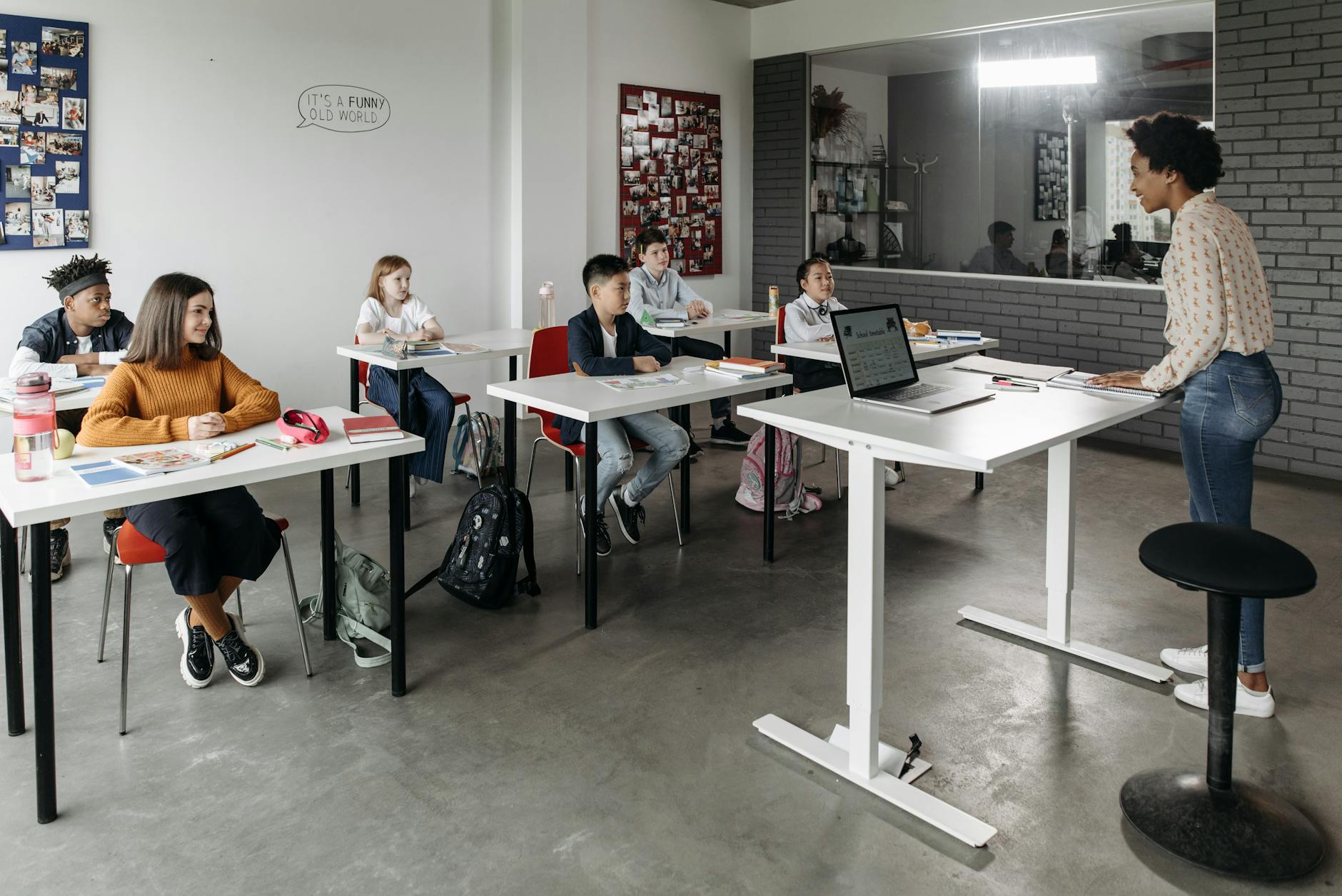
OpenAI is clearly thinking about two separate audiences here: students who need to build AI skills to stay competitive in the job market, and educators who need to understand the tools well enough to teach with them confidently. Both groups are underserved right now.
Teachers in particular are in a tough spot. They’re expected to integrate AI into their classrooms without much formal training, often using personal time to figure it out. A structured certification path for educators could actually move the needle there — if the content is good and the time commitment is realistic for someone already working full-time.
This also fits a pattern we’ve been tracking. OpenAI has been pushing AI education into classrooms for a while now, and this announcement feels like the program is maturing from “here’s access to ChatGPT” into something with more scaffolding around it.
The Equity Angle Is the Right One to Focus On
OpenAI is framing this explicitly around opportunity — specifically, the risk that AI skills become yet another advantage that well-resourced schools have and under-resourced schools don’t. That’s a legitimate concern. If only private schools and wealthy districts can afford the infrastructure or training to actually use these tools well, the gap widens instead of closing.
The free or subsidized tier question is critical here. OpenAI hasn’t spelled out exactly what’s available at no cost versus what requires a paid plan. Schools operating on tight budgets need clarity on that before they can plan anything. Announcing tools without transparent pricing for educational institutions is a recurring frustration in this space.
It’s also worth comparing this to what competitors are doing. Google has been aggressive with its own education push through Workspace for Education, and OpenAI’s broader AI adoption efforts suggest the company knows it needs to move fast to own this space before Google or Microsoft make it a default feature of tools schools already use.
What’s Missing From This Announcement
Scale. OpenAI talks about closing capability gaps, but there’s no mention of how many schools are currently enrolled, what the rollout timeline looks like, or which districts have signed on as early partners. That specificity would make this a lot more credible.
There’s also no word on curriculum integration — meaning, how does this actually fit into a math class or a history class rather than just being a standalone “AI skills” module that gets treated as an elective nobody requires.
OpenAI has shown it can build impressive products. The harder problem is turning pilots into permanent adoption, which is exactly the challenge its partner program was designed to solve. Education is arguably the toughest environment for that — slow procurement cycles, cautious administrators, and parents who have strong opinions about AI in schools.
If the certification program gains traction and the measurement tools hold up under real-world scrutiny, this could become a meaningful part of how the next generation learns to work alongside AI. I wouldn’t be surprised if we see a major school district partnership announcement within the next few months to put some concrete numbers behind these goals. The pressure to show results — not just intentions — is only going to grow.