
OpenAI Academy Courses: What’s Actually Inside
OpenAI launches three Academy courses teaching practical AI skills, repeatable workflows, and agent use. Here’s what’s in them and who they’re really for.





OpenAI launches three Academy courses teaching practical AI skills, repeatable workflows, and agent use. Here’s what’s in them and who they’re really for.
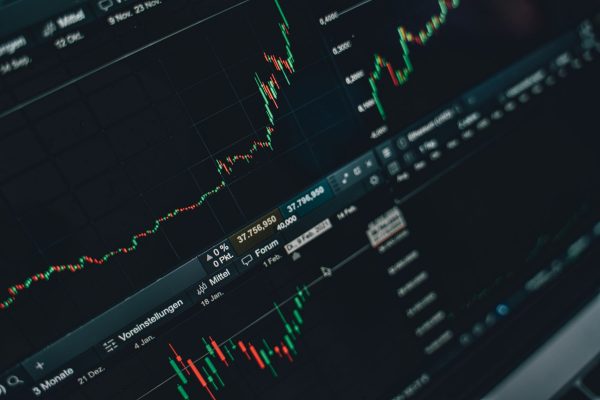
LSEG is using OpenAI to accelerate insights, shrink release cycles, and bring AI tools to 4,000 employees. Here’s what they built and why it matters.

OpenAI’s new report exposes PRC-linked influence operations using AI to shape U.S. tech debates, data center narratives, and spread false ChatGPT claims.

OpenAI’s models and Codex are now available through Oracle Cloud commitments. Here’s what enterprise teams get, what it costs, and why this deal matters.

OpenAI is acquiring Ona to bring secure, persistent cloud environments to Codex — enabling long-running AI agents across enterprise workflows. Here’s what it means.

Astrophysicist Chi-kwan Chan uses OpenAI Codex to build black hole simulations faster than ever. Here’s what that means for science and AI’s role in research.

BBVA scaled ChatGPT Enterprise to all 100,000 employees and partnered directly with OpenAI. Here’s what that actually means for banking and AI at scale.
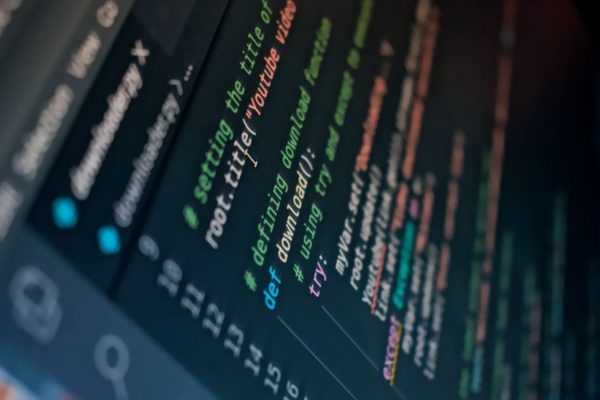
Notion is using OpenAI’s Codex to one-shot specs, build AI Voice Input for the web, and stretch small engineering teams further than ever before.

Google unveiled a sweeping AI expansion for Brazil at its 2026 event — Gemini, Search upgrades, and education tools. Here’s what’s real and what it means.

Google is rolling out Gemini AI features in Chrome to Latin America, Africa, the Middle East and more. Here’s what’s included and why this expansion matters.

Google’s Gemini app just rolled out a suite of features built specifically for entrepreneurs and small businesses. Here’s what changed and why it matters.
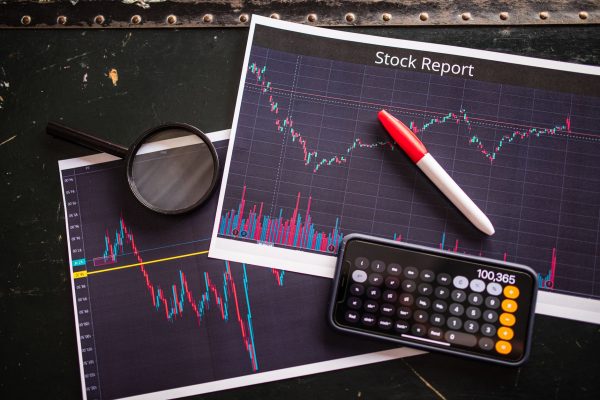
OpenAI has submitted a confidential S-1 to the SEC. Here’s what that means for its IPO timeline, valuation, and the future of the company’s structure.