
How loveholidays Is Turning Non-Coders Into Builders With Codex
loveholidays is using OpenAI Codex to let non-engineers build real software tools. Here’s what that looks like in practice and why it matters.






loveholidays is using OpenAI Codex to let non-engineers build real software tools. Here’s what that looks like in practice and why it matters.

Replit’s new Free Mode, powered by GPT-5.6 Luna, lets anyone build working software without token costs. Here’s what it means and why it matters.
Asana used OpenAI Codex to replace an outdated testing system in just two weeks — work that engineers estimated would take five years. Total cost: $12,000.
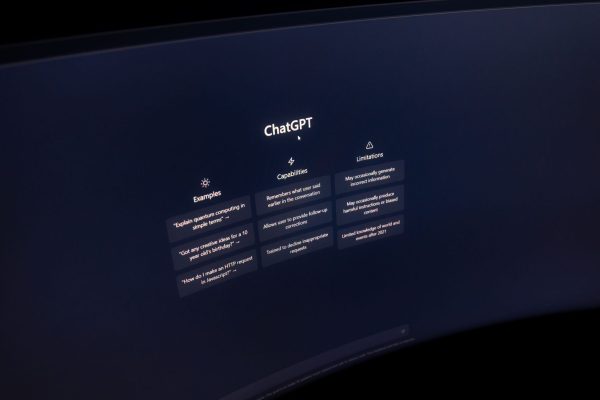
Anthropic’s Claude Opus 5 launches July 24, 2026 — state-of-the-art on coding and knowledge work benchmarks at $5/M input tokens. Here’s what it means for you.
Jason Liu’s codex-maxxing approach shows how to preserve context, manage complex projects, and keep OpenAI Codex working across long coding sessions.
Braintrust engineers are using OpenAI Codex with GPT-5.5 to run experiments and ship code faster. Here’s exactly how they’re doing it and what it means.
Cisco is using OpenAI’s Codex to scale AI-native development, automate defect remediation, and accelerate its AI Defense product line. Here’s what’s really happening.
Ramp’s engineering team is using OpenAI Codex with GPT-5.5 to get substantive code review feedback in minutes, not hours. Here’s how they’re doing it.

OpenAI’s Codex is now accessible via the ChatGPT mobile app. Monitor, steer, and approve coding tasks from anywhere — here’s what that actually means.
NVIDIA teams are using Codex with GPT-5.5 to ship production systems and spin up research experiments fast. Here’s what that looks like in practice.

Simplex is using OpenAI Codex and ChatGPT Enterprise to cut design, build, and testing time. Here’s what they built and what it means for dev teams.
OpenAI’s Codex plugins and skills let developers connect tools, access live data, and run repeatable workflows. Here’s what that means in practice.