
How AI Is Helping Scientists Simulate Black Holes
Astrophysicist Chi-kwan Chan uses OpenAI Codex to build black hole simulations faster than ever. Here’s what that means for science and AI’s role in research.






Astrophysicist Chi-kwan Chan uses OpenAI Codex to build black hole simulations faster than ever. Here’s what that means for science and AI’s role in research.

OpenAI’s Next Era of Knowledge Work report shows how Codex is reshaping research, data analysis, and content creation far beyond coding tasks.
OpenAI’s frontier models and Codex are now generally available on AWS, giving enterprises a familiar path to deploy AI without leaving their existing cloud stack.
OpenAI’s Codex now serves analysts, marketers, designers, and investors with new plugins, sites, and annotations. Here’s what changed and why it matters.
Cisco is using OpenAI’s Codex to scale AI-native development, automate defect remediation, and accelerate its AI Defense product line. Here’s what’s really happening.
OpenAI’s Codex earns a Leader spot in Gartner’s 2026 Magic Quadrant for Enterprise AI Coding Agents. Here’s what it means for dev teams and the competition.
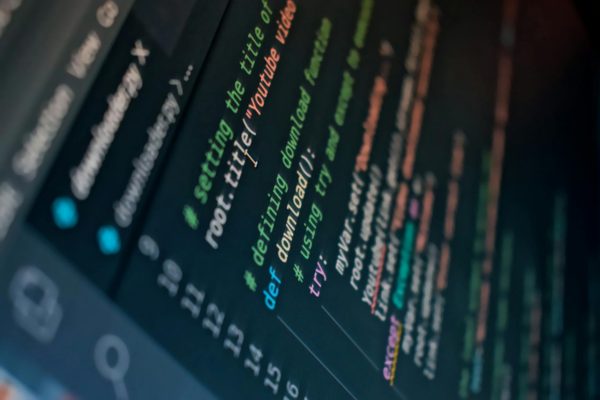
Ramp’s engineering team is using OpenAI Codex with GPT-5.5 to get substantive code review feedback in minutes, not hours. Here’s how they’re doing it.

OpenAI’s Codex isn’t just for engineers anymore. Here’s how business operations teams are using it to write briefs, strategy docs, and decision packets.
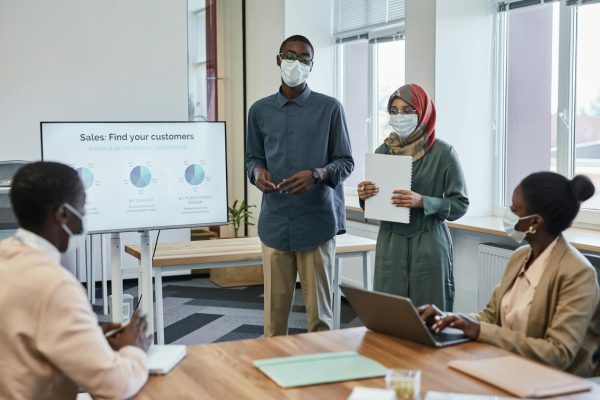
OpenAI’s Codex is helping sales teams build pipeline briefs, forecast reviews, and account plans from real inputs. Here’s what that actually looks like.
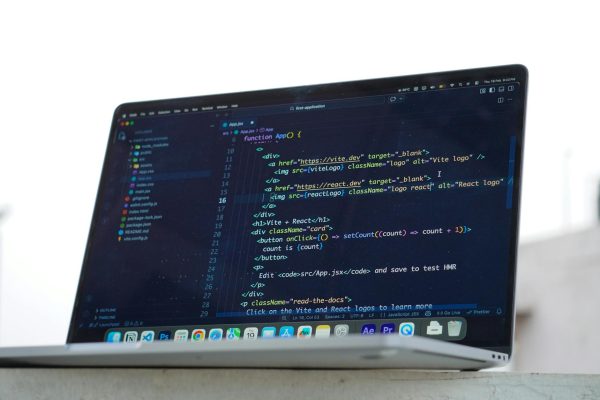
OpenAI’s Codex is now accessible via the ChatGPT mobile app. Monitor, steer, and approve coding tasks from anywhere — here’s what that actually means.
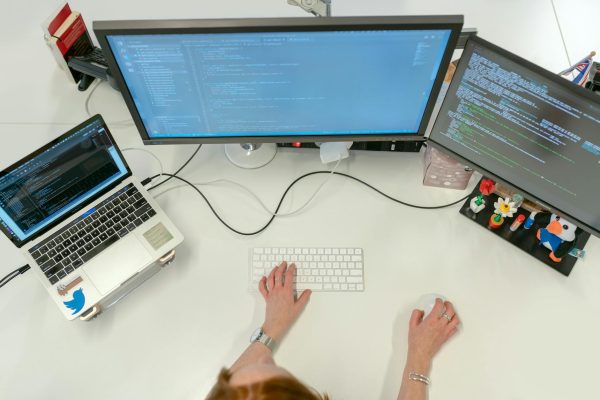
AutoScout24 is using OpenAI’s Codex and ChatGPT to speed up development cycles, cut tech debt, and expand AI adoption across its engineering org.
NVIDIA teams are using Codex with GPT-5.5 to ship production systems and spin up research experiments fast. Here’s what that looks like in practice.