





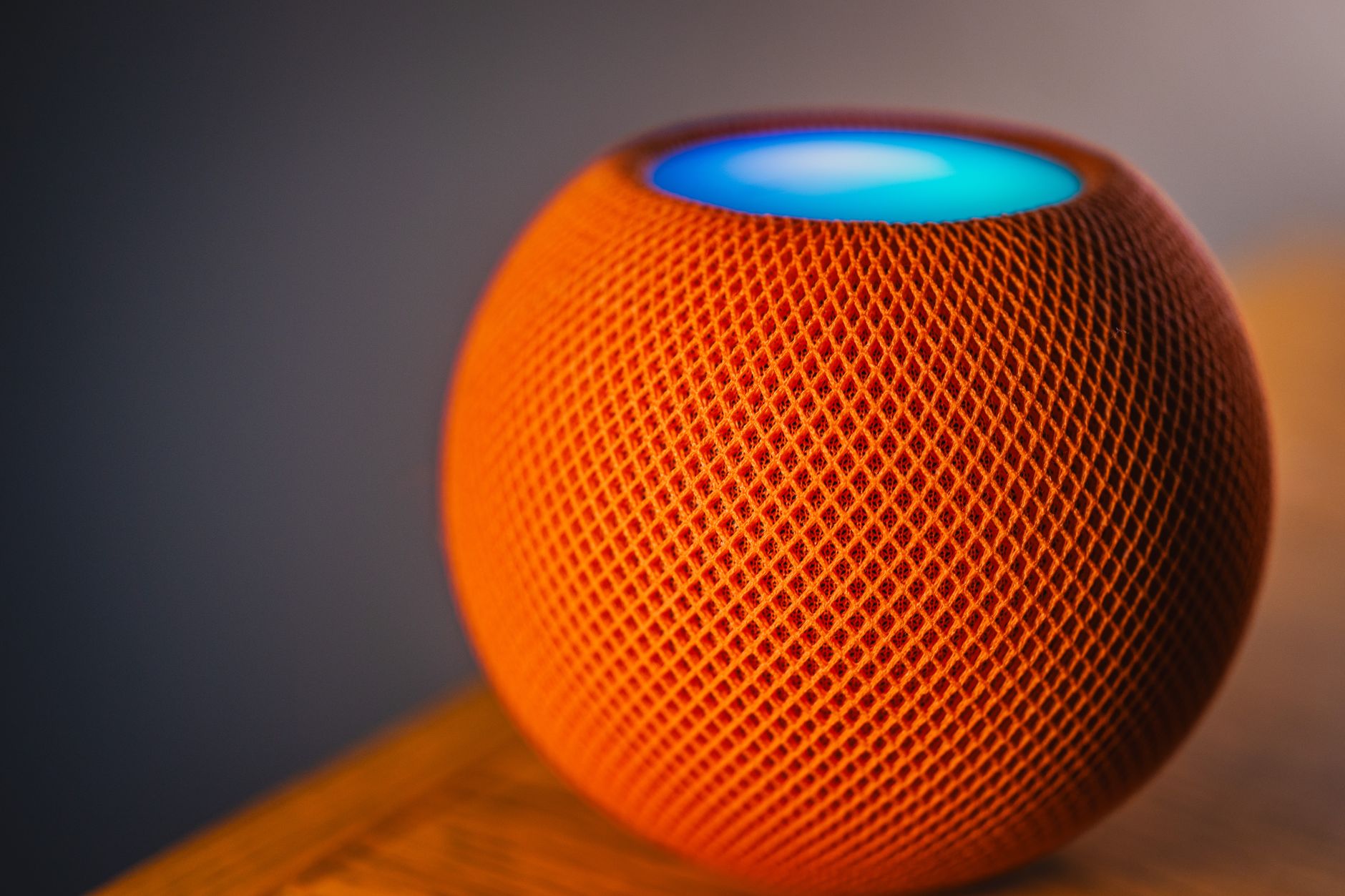
Google just announced a new Google Home Speaker built for Gemini, and it’s the clearest sign yet that the company is done treating its smart home hardware as an afterthought. After years of the original Google Home and Nest Audio sitting in living rooms doing little more than playing Spotify and setting timers, Google is making a real push to put a capable AI assistant at the center of the home — not just on your phone or laptop. The question is whether this is the version that finally makes people care.
Why Google Needed This
Let’s be honest about the history here. Google’s smart speaker journey has been messy. The original Google Home launched in 2016 as a direct shot at Amazon Echo, and for a while it held its own. Then came Google Nest Audio in 2020, which had better sound but didn’t meaningfully advance what the assistant could do. Meanwhile, Amazon kept iterating on Alexa, Apple launched HomePod, and consumers started to wonder what differentiated any of these cylinders sitting on their kitchen counters.
The bigger problem was Google Assistant itself. It was genuinely useful for quick queries, but it didn’t feel intelligent in the way that ChatGPT or even early Gemini demos suggested AI could be. You couldn’t have a real back-and-forth conversation. It couldn’t remember context. Ask it something slightly outside its comfort zone and it fell apart.
Gemini changes the underlying engine. And if Google has wired this new speaker correctly into that engine, the product gap with competitors narrows significantly. Amazon has been pushing its own Alexa Plus upgrade with large language model capabilities, and Apple’s HomePod still relies on Siri, which remains the weakest of the major voice assistants. Google has a genuine opportunity here — but only if the hardware and software integration actually holds up in daily use.
What the New Google Home Speaker Actually Does
According to Google’s official announcement, the new speaker is designed around three core pillars: smart home control, routine management, and fast natural language answers. Here’s what that breaks down to in practice:
- Natural language smart home control: Instead of rigid command strings like “turn off the living room lights,” you can say something like “make it cozy in here” and the speaker interprets that across your connected devices — dimming lights, adjusting the thermostat, maybe closing smart blinds.
- Routine management with context: The Gemini-powered assistant can build and adjust routines through conversation. You don’t need to open an app, tap through menus, or use specific syntax. You describe what you want and it configures.
- Conversational Q&A: This is where Gemini’s actual model capabilities come in. The speaker should handle multi-turn conversations, remember what was said earlier in an exchange, and give answers that go beyond a pulled snippet or Wikipedia summary.
- Speed improvements: Google is specifically calling out faster response times, which matters more than people give it credit for. There’s a reason voice assistants feel frustrating — that two-second pause before a response breaks the conversational flow completely.
- Integration with Google services: Gmail, Calendar, Maps, and Search are all in the mix, meaning the speaker can check your schedule, read emails aloud, or give you traffic updates without you touching your phone.
What Google hasn’t made fully clear yet is how much of this runs on-device versus in the cloud, and what the privacy implications are for always-on Gemini processing. That’s a real concern for a lot of buyers and one the company will need to address directly as reviews start rolling in.
Hardware Specs: What We Know
Google hasn’t published a full spec sheet yet, but the announcement confirms it’s a purpose-built device — not just a software update to existing Nest Audio hardware. The design looks familiar: a fabric-covered cylindrical form factor that fits the aesthetic of what came before. Audio quality details are limited, though Google is pitching it as suited for music playback as well as voice interaction.
Pricing hasn’t been officially confirmed at time of writing, but given that Nest Audio launched at $99, expect something in the $99–$129 range. Whether Google bundles it with Gemini Advanced access or keeps that separate will be a commercial decision worth watching.
How It Stacks Up Against Amazon and Apple
Amazon’s Alexa Plus — the LLM-upgraded version of Alexa — is the most direct competitor. Amazon has deep smart home penetration through its Works with Alexa certification program and a head start on the conversational upgrade. But Alexa’s underlying model has historically lagged behind Gemini and OpenAI’s ChatGPT in reasoning and nuance.
Apple’s HomePod relies on Siri, which is getting a slow Gemini-style upgrade through Apple Intelligence — but that rollout has been genuinely sluggish, and the HomePod’s $299 price point puts it in a different category entirely.
Google’s advantage is the breadth of its data and services integration. If you’re already using Gmail, Google Calendar, and Google Maps daily, the Home Speaker for Gemini becomes a much more compelling central hub than any competitor can match right now. That’s a real structural edge, not a marketing claim.
What This Means for the Broader Smart Home Market
Here’s the thing: smart home adoption has been growing for years but hasn’t quite hit the inflection point the industry keeps predicting. The friction is real. Devices from different manufacturers don’t always play nicely together, setup is often a pain, and voice commands have been too rigid to feel natural. Matter — the interoperability standard backed by Google, Apple, Amazon, and others — was supposed to fix the compatibility piece, but it’s been a slow rollout.
If Gemini genuinely makes the voice interface good enough that casual users feel comfortable relying on it, that removes one of the biggest adoption barriers. A speaker you can actually have a conversation with — that remembers context, handles ambiguous requests, and connects to the services you already use — is a meaningfully different product from what’s been on shelves.
I wouldn’t be surprised if this puts pressure on Amazon to accelerate its Alexa Plus rollout and on Apple to stop treating Siri upgrades as optional polish. The smart speaker market has been stagnant for a couple of years. A genuinely better product from Google could shake that loose.
It’s also worth thinking about what this means for developers building on Google’s Home platform. A more capable assistant at the center of the home creates new possibilities for third-party integrations — smarter automations, richer device control, context-aware triggers that weren’t possible with the old Assistant model. That’s a potentially significant opening for the smart home developer community.
The Privacy Question No One Wants to Answer
Any always-on AI assistant in the home raises the same uncomfortable question: what’s being processed, where, and by whom? Google has a complicated history on this front — there were documented cases of contractors reviewing Google Assistant audio clips back in 2019, which damaged trust that hasn’t fully recovered. Putting Gemini in a home speaker means the processing demands go up significantly. Google needs to be transparent about how the wake word detection and conversational processing are handled, and whether users have meaningful control over data retention.
This isn’t a dealbreaker for most buyers, but it’s a legitimate issue that reviewers should push hard on when the device ships.
What This Means for You
If you’re already invested in Google’s ecosystem — Android phone, Nest thermostat, Google TV — this is probably the most compelling smart home speaker upgrade in years. The Gemini integration addresses the core weakness of every previous Google assistant product: the feeling that you’re talking to a lookup table rather than something that actually understands you.
If you’re on Amazon’s side of the fence, or using HomeKit extensively, it’s worth watching early reviews closely before making any moves. Hardware announcements look great on paper. Real-world latency, accuracy, and reliability are what determine whether a smart speaker earns a permanent spot in your home or ends up in a drawer.
And if you’re a developer building on Google Home, start paying attention to what new APIs and capabilities ship alongside this hardware. The assistant upgrade is the headline, but the developer surface might be where the real long-term story lives. For a broader look at how Google has been accelerating its Gemini push across different product categories, our coverage of Wear OS 7 and Gemini on smartwatches gives useful context on just how far this integration strategy extends — and it’s further than most people realize. Google is also moving fast on regional expansion, as we covered in our piece on Gemini’s push into small business, which signals the company sees Gemini not as a single product but as infrastructure it’s threading through everything it makes.
The real test comes when this speaker ships and everyday users start talking to it. Google’s track record on smart home hardware has had bright spots and real stumbles. Gemini is the strongest foundation they’ve had to build on — but foundation isn’t the same as finished product.
FAQ
What is the Google Home Speaker for Gemini?
It’s Google’s newest smart speaker, purpose-built to run the Gemini AI assistant rather than the older Google Assistant. It’s designed for smart home control, routine management, and conversational Q&A through natural language.
How is it different from Nest Audio?
Nest Audio used Google Assistant, which was a more rigid, command-based system. The new speaker uses Gemini, which supports multi-turn conversations, handles ambiguous requests more gracefully, and connects more deeply to Google services like Gmail and Calendar.
When is it available and how much does it cost?
Google hasn’t confirmed a firm retail date or final pricing as of the announcement. Based on previous Nest Audio pricing, expect something in the $99–$129 range, though bundling options with Gemini Advanced subscriptions are possible.
How does it compare to Amazon Echo with Alexa Plus?
Amazon’s Alexa Plus is the most direct competitor, offering similar LLM-powered conversational upgrades. Google’s edge is its deeper integration with Google services and the strength of Gemini’s underlying reasoning capabilities — but Amazon has a larger installed base of compatible smart home devices and a head start on the LLM assistant rollout.