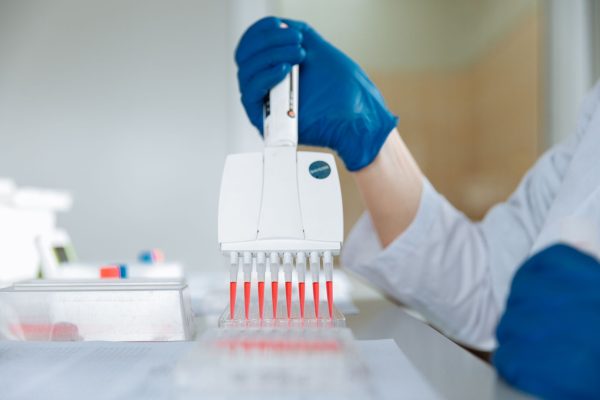
GeneBench-Pro: OpenAI’s New Genomics Benchmark Explained
OpenAI’s GeneBench-Pro tests AI on real-world genomics and biology tasks. Here’s what it measures, why it matters, and what it means for scientific AI.






OpenAI’s GeneBench-Pro tests AI on real-world genomics and biology tasks. Here’s what it measures, why it matters, and what it means for scientific AI.
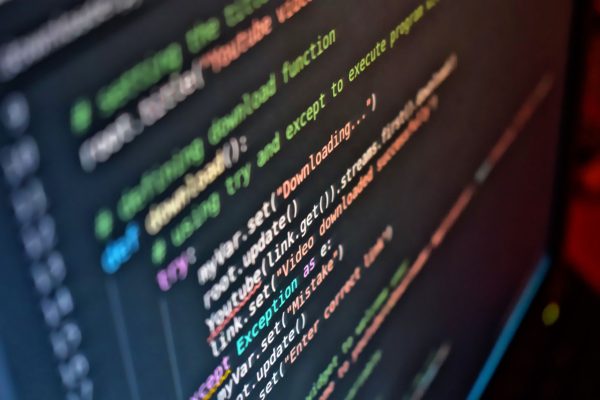
OpenAI engineers used large-scale core dump analysis to hunt down rare infrastructure crashes — and found both a hardware fault and an 18-year-old software bug.
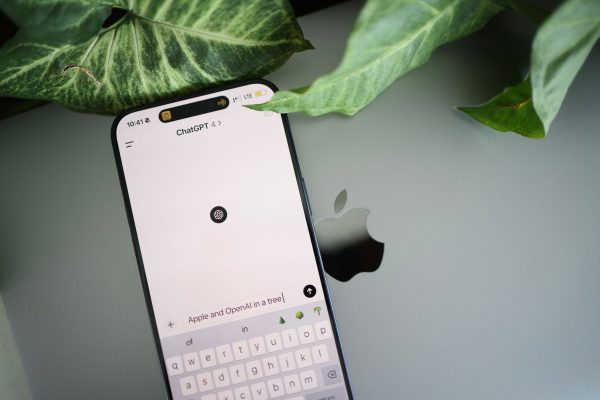
OpenAI’s new Signals data reveals how ChatGPT adoption is growing globally — more users, more languages, deeper engagement. Here’s what the data actually means.
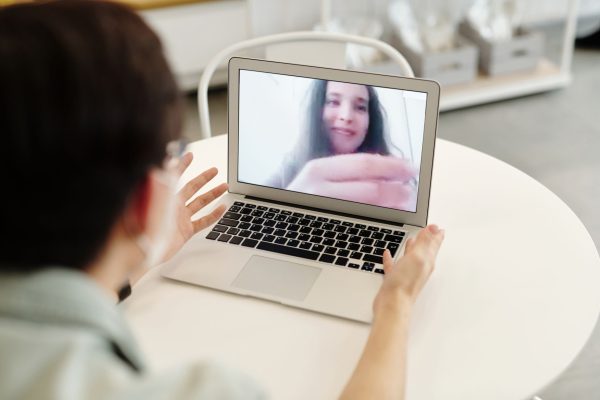
Google Meet’s ‘Take notes for me’ feature is now live for AI Pro and Ultra subscribers. Here’s what it does, who gets it, and whether it’s worth the price.
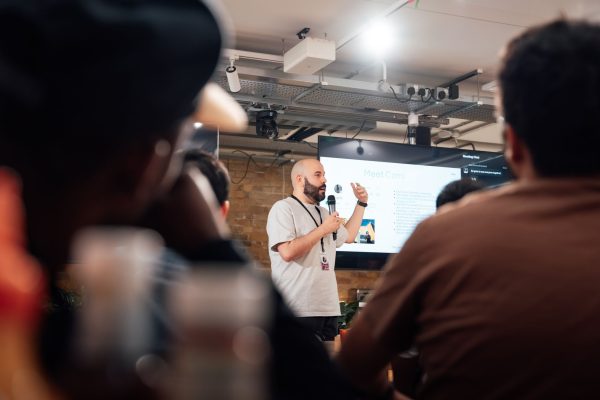
Google’s latest UK Economic Impact Report claims AI could unlock billions in productivity gains. We dig into the numbers, the gaps, and what’s really being promised.
Google launches Gemini Omni Flash and Nano Banana 2 Lite — faster image and video AI models with serious cost advantages. Here’s what developers should know.
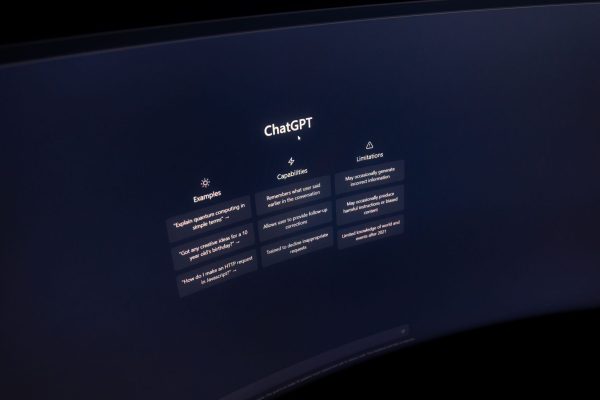
HP Inc. has signed a Frontier-level strategic partnership with OpenAI, deploying AI across customer support, software development, and enterprise ops.
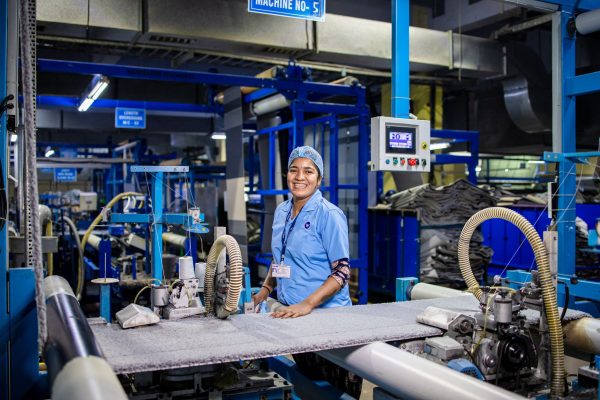
OpenAI’s new EU workforce report identifies which jobs face automation, which will grow, and how policymakers should respond. Here’s what the data actually says.
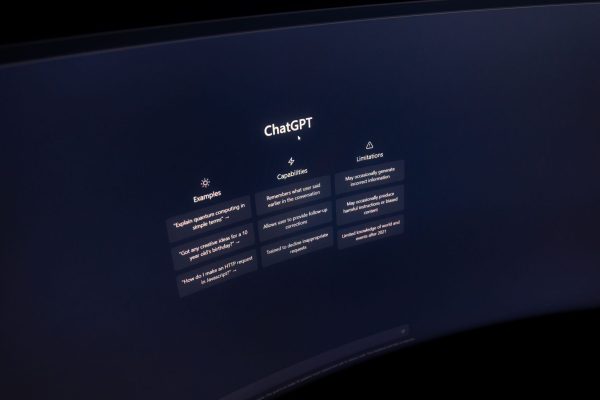
Google’s Gemini Personal Intelligence pulls from Gmail, Photos, YouTube and Search to personalize your AI. Here’s what that means for you.
OpenAI previews GPT-5.6 Sol, its most advanced model with stronger coding, science, and cybersecurity capabilities paired with a new safety stack.

Google is pushing Career Dreamer, NotebookLM, and Gemini Live as AI job search tools. Here’s how they actually work — and whether they’re worth your time.
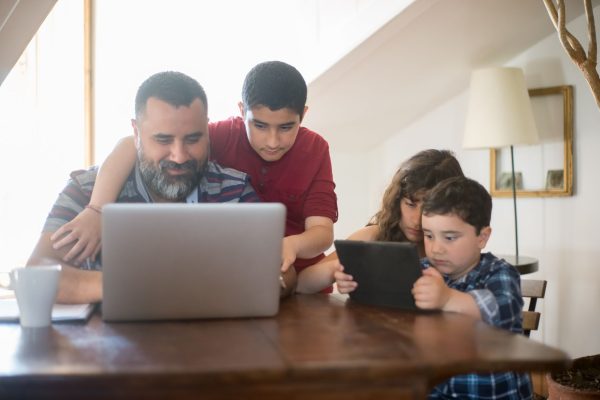
Google’s Gemini is quietly becoming a must-have tool for parents. Here’s how families are using AI for homework, meals, and more in 2026.