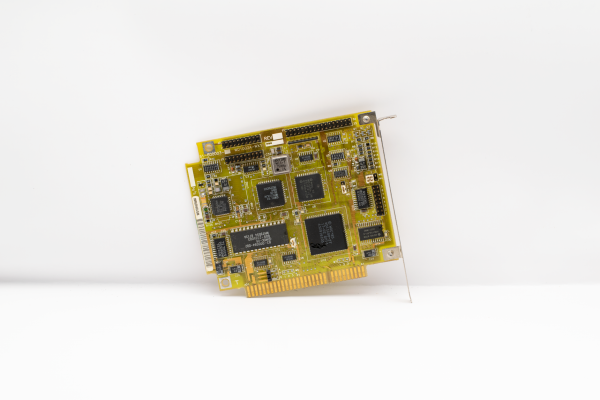
OpenAI Jalapeño Chip: Faster, Cheaper AI Inference
OpenAI’s custom Jalapeño inference chip delivers industry-leading speed and efficiency. Here’s what the benchmarks show and why it matters for AI costs.






OpenAI’s custom Jalapeño inference chip delivers industry-leading speed and efficiency. Here’s what the benchmarks show and why it matters for AI costs.

OpenAI CFO Sarah Friar breaks down how chips, compute, models, and products compound to make AI cheaper and more capable. Here’s what it actually means.

OpenAI is backing the PORTS-Pike project in Southern Ohio, promising thousands of jobs and major infrastructure investment. Here’s what’s really going on.
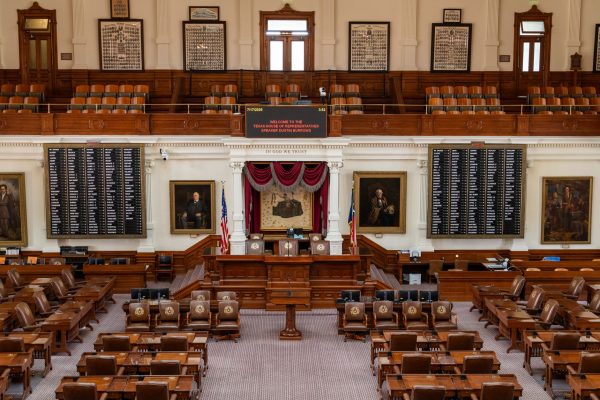
OpenAI sent Governor Greg Abbott a formal letter on responsible AI infrastructure in Texas. Here’s what it signals about the company’s long-term strategy.
OpenAI’s ‘abundant intelligence’ strategy aims to make advanced AI cheaper, faster, and more useful at scale. Here’s what the full-stack approach really means.
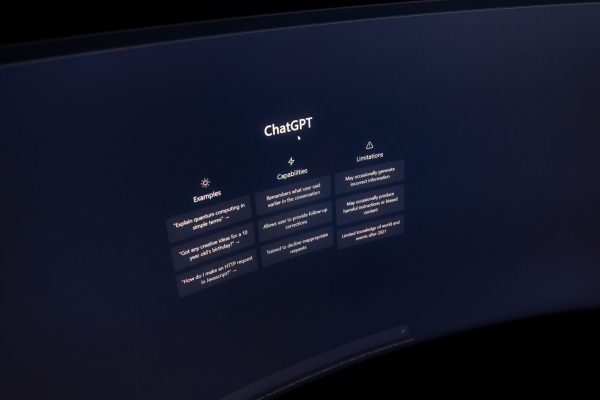
OpenAI drops prices on GPT-5.6 Luna and Terra tiers, making enterprise AI workflows cheaper. Here’s what changed, what it costs, and who benefits most.
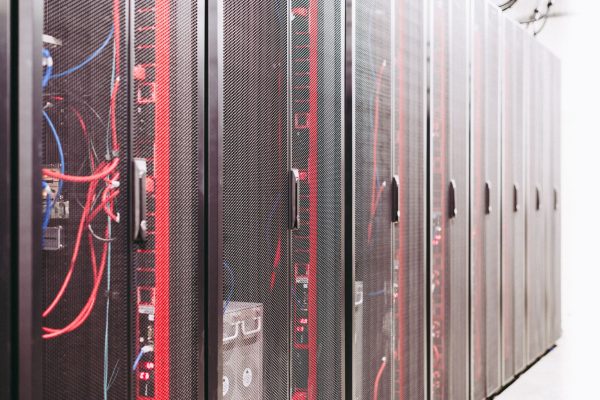
OpenAI’s Project Camellia brings a major AI data center to Effingham County, Georgia. Here’s what the jobs, energy commitments, and Codex access really mean.
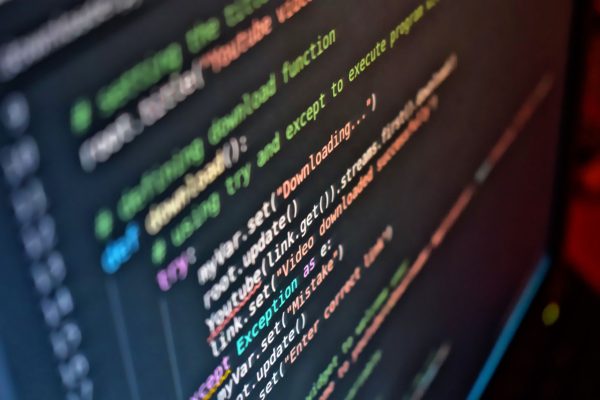
OpenAI engineers used large-scale core dump analysis to hunt down rare infrastructure crashes — and found both a hardware fault and an 18-year-old software bug.
OpenAI’s frontier models and Codex are now generally available on AWS, giving enterprises a familiar path to deploy AI without leaving their existing cloud stack.
OpenAI breaks ground on a 1-gigawatt data center in Michigan as part of Stargate. Here’s what the scale, the stakes, and the local impact actually mean.

OpenAI and Microsoft have amended their landmark partnership agreement. Here’s what changed, what it means for Azure, and why the timing matters so much.
Google’s Gemini Embedding 2 is now generally available via the Gemini API and Vertex AI. Here’s what it offers, how it compares, and why it matters.