
ChatGPT Gets Smarter About Your Health with GPT-4.5
OpenAI’s GPT-4.5 brings stronger health reasoning to ChatGPT, with physician-informed evaluations and clearer medical communication. Here’s what changed.






OpenAI’s GPT-4.5 brings stronger health reasoning to ChatGPT, with physician-informed evaluations and clearer medical communication. Here’s what changed.

OpenAI’s Deployment Simulation uses real conversation data to predict model behavior before release. Here’s what it does, why it matters, and who benefits.

OpenAI’s new report exposes PRC-linked influence operations using AI to shape U.S. tech debates, data center narratives, and spread false ChatGPT claims.
OpenAI’s new ChatGPT memory system called Dreaming keeps context fresh across conversations. Here’s what it does, how it works, and why it matters.

Boston Children’s Hospital is using OpenAI technology to unlock rare disease diagnoses, cut admin burden, and reshape how pediatric medicine works at scale.

OpenAI is rolling out election safeguards for 2026 global votes — from AI transparency tools to cyber defense support. Here’s what’s real and what’s missing.

OpenAI expands its Education for Countries program with new partnerships, teacher training tools, and AI learning resources for students worldwide.
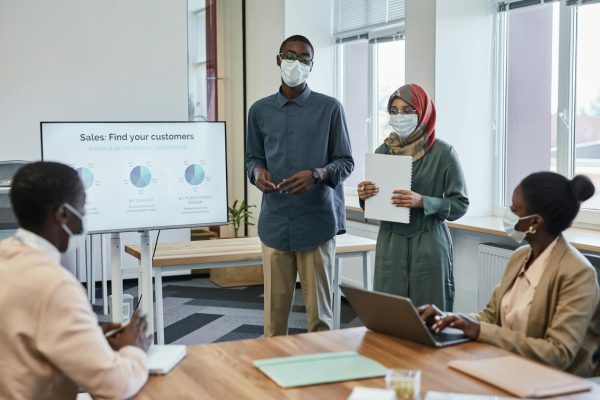
OpenAI’s Codex is helping sales teams build pipeline briefs, forecast reviews, and account plans from real inputs. Here’s what that actually looks like.

OpenAI is partnering with Malta to give every citizen free ChatGPT Plus access and AI training. Here’s what the deal covers and why it matters globally.
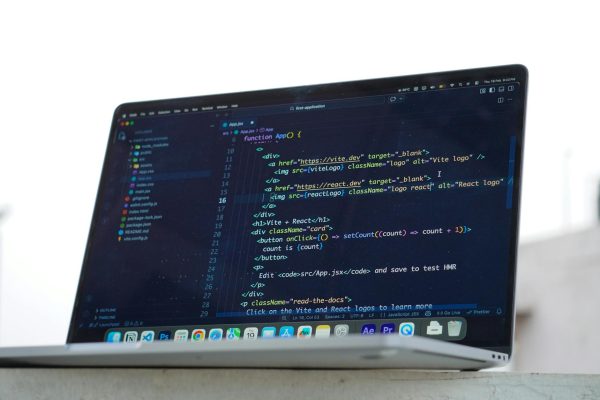
OpenAI’s Codex is now accessible via the ChatGPT mobile app. Monitor, steer, and approve coding tasks from anywhere — here’s what that actually means.
OpenAI is previewing a personal finance feature in ChatGPT for Pro users in the U.S. Here’s what it does, how it works, and what it means for your money.
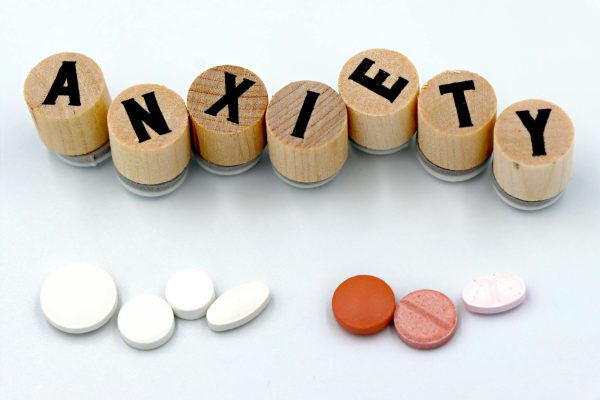
OpenAI’s latest ChatGPT safety update teaches the AI to track emotional context over time — here’s what changed, why it matters, and who benefits most.