
ChatGPT’s Fastest-Growing Users Are Over 35
OpenAI’s Q1 2026 data shows ChatGPT adoption surging among users over 35 with more balanced gender usage — signaling a genuine mainstream AI shift.






OpenAI’s Q1 2026 data shows ChatGPT adoption surging among users over 35 with more balanced gender usage — signaling a genuine mainstream AI shift.

OpenAI is testing ads in ChatGPT. Here’s what the move means for users, advertisers, and the future of AI monetisation — and why it matters right now.

OpenAI’s Trusted Contact lets ChatGPT notify someone you trust if serious self-harm concerns are detected. Here’s how it works and what it means.

OpenAI’s ChatGPT Futures Class of 2026 spotlights 26 students using AI for real-world impact. Here’s what they’re building and why it matters.

Singular Bank’s Singularity assistant uses ChatGPT and Codex to save bankers 60–90 minutes daily. Here’s how they built it and what it actually does.

Uber is using OpenAI to build AI assistants and voice features for drivers and riders. Here’s what the partnership actually does and why it matters.

OpenAI’s community safety framework for ChatGPT goes deeper than content filters. Here’s how model safeguards, misuse detection, and policy enforcement actually work.

OpenAI Codex does more than answer questions — it automates tasks, connects tools, and ships real outputs. Here’s what it actually is and why it matters.

OpenAI’s GPT-5.5 is faster, smarter, and built for coding, research, and data analysis. Here’s what’s new, what it means, and who it’s for.
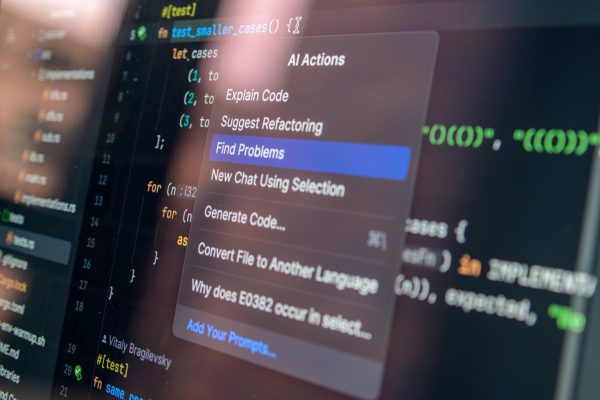
OpenAI’s Codex settings let you control personalization, permissions, and detail level. Here’s what each option does and why it matters for your workflow.

OpenAI’s GPT-5.5 system card is out. Here’s what the safety evals, capability benchmarks, and deployment decisions actually mean for you.

OpenAI’s workspace agents in ChatGPT let teams automate repeatable workflows, connect tools, and scale operations. Here’s what you need to know.