
Gemini Study Notebooks: Google’s AI Tutor Built Into Your Phone
Google’s new Gemini study notebooks turn the AI app into a personalized tutor. Here’s what the feature does, who it’s for, and how it stacks up.






Google’s new Gemini study notebooks turn the AI app into a personalized tutor. Here’s what the feature does, who it’s for, and how it stacks up.

Google’s Gemini 3.5 Flash now includes a built-in computer use tool, letting AI agents control desktops directly. Here’s what it does and why it matters.
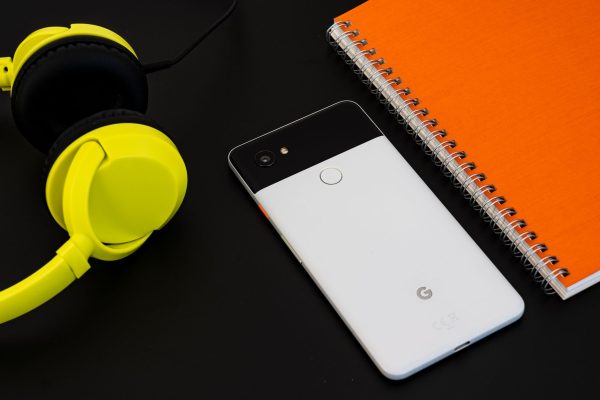
Google’s June 2026 Pixel Drop brings Gemini Omni text-to-video, smarter screen recording, and multitasking upgrades. Here’s what actually changed.
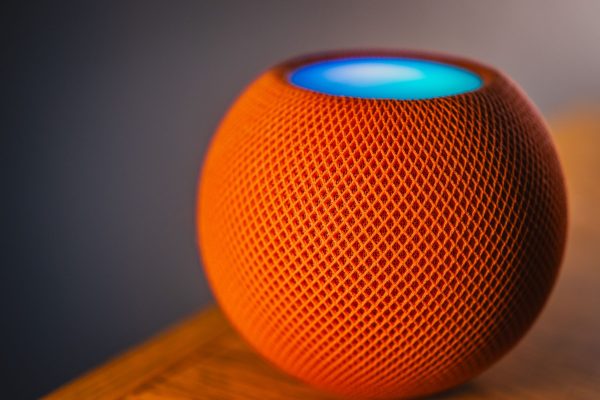
Google’s new Home Speaker is built around Gemini AI. Here’s what changed, what it can actually do, and whether it’s worth caring about in 2026.
Google unveiled a sweeping AI expansion for Brazil at its 2026 event — Gemini, Search upgrades, and education tools. Here’s what’s real and what it means.
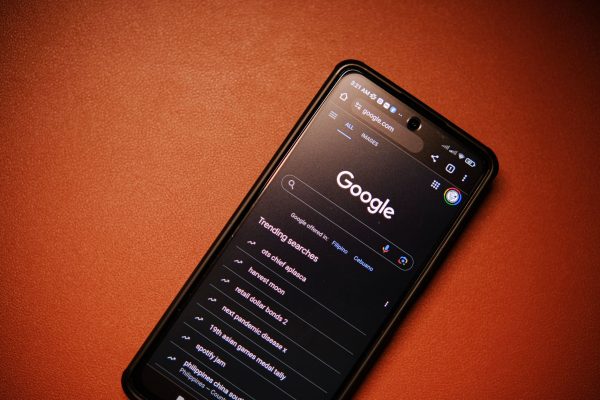
Google used Gemini to produce Google I/O 2026 — from code to creative. Here’s exactly how it worked and what it signals about AI-assisted production at scale.
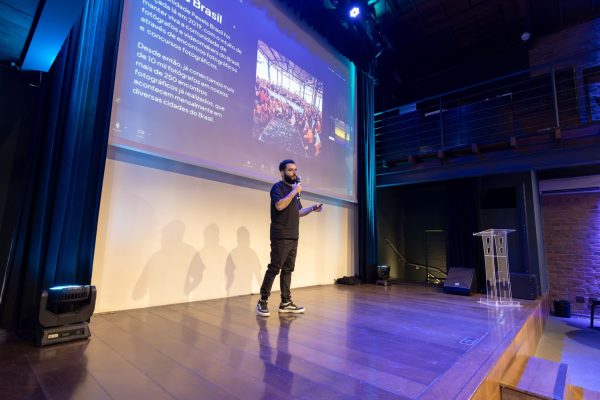
From Gemini Omni to Gemini 3.5 Flash, here are the 12 biggest Google I/O 2026 keynote moments and what they actually mean for AI’s near future.

Google’s Face Control feature on Chromebooks is transforming how students with physical disabilities navigate school — no extra hardware, no extra cost.
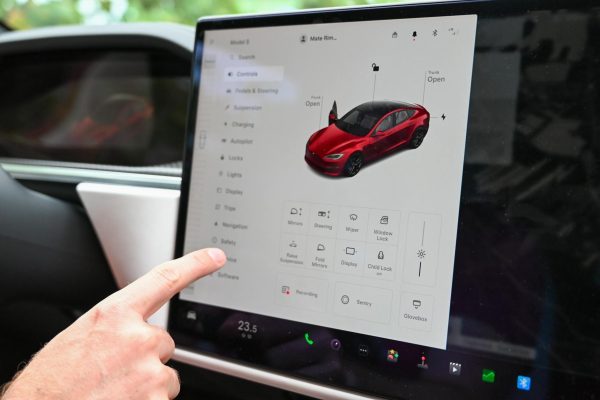
Google is upgrading Android Auto and built-in car systems with a more capable Gemini AI, richer entertainment, and a redesigned driver experience. Here’s what’s new.
Google is bringing Gemini to Chrome for Android with auto browse and agentic features. Here’s what it actually does and why it matters for mobile browsing.

Google’s Googlebook is a new laptop category built natively for Gemini Intelligence and deep Android integration. Here’s what it means and who it’s for.
Google’s Gemini Intelligence brings proactive AI features to Android. Here’s what it actually does, who it’s for, and what it means for the mobile AI race.